Newsletter Mailers vs. Promotional Postcards
Newsletter mailers and promotional postcards serve different marketing purposes. A newsletter works better for detailed communication, customer education, company updates, and relationship building. Promotional postcards are more effective for short announcements, special offers, event invitations, and campaigns that need an immediate response. The right newsletter mailer format depends on the amount of information you need to share and the action you want recipients to take.
Both formats have a place in a successful direct mail strategy. A business sharing product updates, industry insights, and customer stories needs more room for content than a retailer announcing a seasonal promotion. At iti Direct Mail, businesses can use different print formats to deliver relevant messages while keeping their audience’s needs and campaign objectives in focus.
Understanding the differences between these two formats helps businesses choose a mail piece that communicates clearly instead of overwhelming recipients with too much or too little information.
What Makes Newsletter Mailers Different?
A newsletter mailer is designed to communicate information across multiple sections rather than promote a single offer. It gives businesses enough space to share company announcements, product information, educational content, customer updates, and industry news in one printed piece.
Unlike a postcard, which typically focuses on one central message, a newsletter can include several related topics. This makes it useful for organizations that want to maintain regular communication with existing customers, members, subscribers, or business partners.
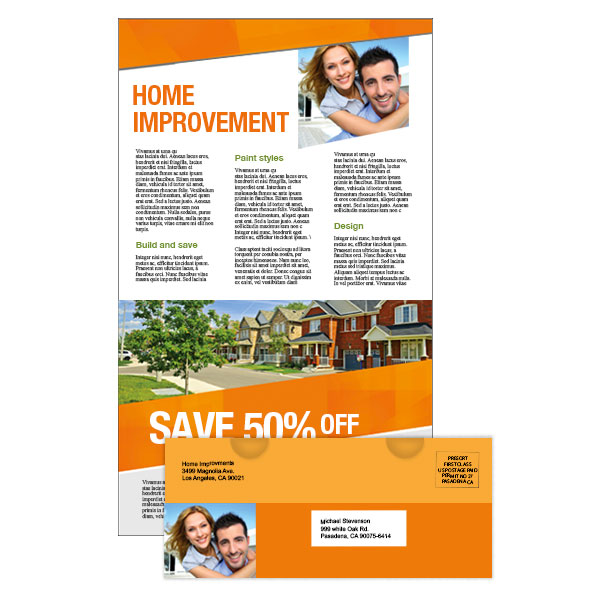
For example, a home improvement company could use a printed newsletter to share seasonal maintenance advice, introduce new services, highlight recent projects, and include a small promotional section. Readers receive useful information alongside relevant business updates, giving them more reasons to engage with the material.
Common content for printed newsletters includes:
- Company news, announcements, and business developments.
- Product launches, service updates, and new offerings.
- Educational articles, industry insights, and practical advice.
- Customer stories, testimonials, and community updates.
- Upcoming events, seasonal recommendations, and special promotions.
The main advantage is content flexibility. Businesses can communicate several messages without creating separate mail pieces for every announcement.
Why Promotional Postcards Work for Short Marketing Messages
Promotional postcards are printed pieces that communicate a focused message through a combination of concise copy, images, and a clear call to action. Their layout usually gives the headline, offer, and response instructions the greatest visual attention.
A postcard works particularly well when the recipient needs only a small amount of information to understand the promotion. For instance, a restaurant announcing a new menu item can use an appealing food photograph, a short description, and a direct invitation to visit. A retail business can highlight a seasonal offer without adding lengthy explanations.
The format is also useful for businesses that want to make one specific announcement stand out. Since there are fewer content sections, readers can quickly identify the main message.
Promotional postcards are commonly used for:
- New product and service announcements.
- Special offers and seasonal promotions.
- Grand openings and local business events.
- Appointment reminders and service notifications.
- Store visits, event registrations, and website traffic campaigns.
A postcard is not necessarily limited to promotional discounts. It can also communicate reminders, invitations, and important business updates. Its effectiveness depends on keeping the message focused and making the next action clear.
Matching the Format to Your Marketing Message
The most practical way to choose between these formats is to start with the communication objective. A business should decide what recipients need to know before selecting the design, paper format, or layout.
Use Newsletters for Information-Rich Communication
Newsletters are a stronger choice when a campaign requires explanation, context, or multiple content sections. They allow businesses to communicate more than one development while maintaining a consistent brand voice.
Consider a financial services firm that wants to share market commentary, changes in its services, financial planning advice, and upcoming educational events. Putting all this information on a postcard would require excessive editing and leave little room for meaningful explanations.
A printed newsletter can organize these topics into separate sections, allowing readers to focus on the information most relevant to them. It also gives the business an opportunity to demonstrate subject knowledge through useful content instead of relying entirely on promotional language.
Choose Postcards for Immediate Promotional Messages
Postcards are better suited to campaigns built around one clear announcement or action. A business promoting a limited product collection, inviting customers to an event, or announcing a new location can communicate its message without requiring a lengthy explanation.
The design should establish three things quickly: what is being promoted, why the recipient should pay attention, and what they should do next.
For example, a dental clinic announcing a new service could use a headline, a short explanation of the service, and a phone number or website address. Adding unrelated information could distract readers from the intended response.
The distinction is straightforward: newsletters support deeper communication, while postcards prioritize message clarity and immediate attention.
How Size and Layout Affect the Reading Experience
Print dimensions influence how much information a mail piece can accommodate and how readers interact with it. Choosing a suitable size is therefore part of the content planning process, not simply a design decision.
Newsletter formats generally need enough room for headlines, body copy, images, captions, and supporting details. Larger formats can accommodate multiple sections without making the text difficult to read.
For example, 11×17 newsletter printing is useful for businesses that need a larger layout for editorial content, announcements, photographs, and promotional sections. The format provides room to organize different stories while maintaining a clear visual hierarchy. Depending on the finishing and folding method, the printed sheet can also be presented as a multi-panel mail piece.
Postcards usually rely on a more compact design. Their limited space encourages businesses to prioritize the headline, main image, offer, and response details. This can be an advantage for campaigns with a single objective, but it becomes restrictive when the message requires detailed explanations.
Regardless of the format, a few layout principles help improve readability:
- Give the main headline enough visual prominence to establish the subject immediately.
- Use readable font sizes and sufficient spacing between content sections.
- Select images that support the message instead of competing with the text.
- Keep contact details and calls to action easy to locate.
- Maintain consistent colors, typography, and brand elements throughout the design.
A larger print area does not automatically produce better communication. The content still needs a logical structure that guides readers through the information.
The Role of Content in Building Customer Relationships
Direct mail can support customer retention by giving businesses a physical channel for useful, relevant communication. However, the content needs to offer something beyond repeated advertisements.
A newsletter can provide information that customers may find useful even when they are not ready to make another purchase. A gardening business, for example, could share seasonal planting advice, product recommendations, and garden care tips. A healthcare organization could communicate service updates, general wellness information, and community announcements.
This type of communication gives recipients a reason to pay attention to future mail pieces. It also creates opportunities to introduce services in a context that feels relevant to the reader.
Postcards can support retention in a different way. A personalized thank-you message, a service reminder, or an invitation to a customer appreciation event can maintain contact without requiring a large amount of content.
The important distinction is the value of the message. A newsletter should give readers useful information, while a postcard should make its announcement or invitation clear and memorable. Both formats can contribute to stronger customer relationships when the communication matches the audience’s interests.
Planning a Successful Direct Mail Campaign
Selecting the print format is only one part of campaign planning. Businesses also need to consider their audience, mailing list, content, and response objectives.
Start by identifying the people who will receive the mail piece. Existing customers may respond better to product education, service updates, or loyalty-related communication. Prospective customers may need a clear introduction to the business and an explanation of its services.
Next, establish one primary campaign objective. A newsletter may have several editorial sections, but its overall purpose should remain clear. Similarly, a postcard should not attempt to promote several unrelated offers in a limited space.
For effective newsletter mailing, businesses should also pay attention to list quality and mailing details. Names, addresses, postal codes, and other relevant mailing information should be checked before distribution. An inaccurate mailing list can prevent well-designed content from reaching its intended audience.
Tracking campaign responses provides another useful source of information. Businesses can include unique URLs, QR codes, dedicated landing pages, or campaign-specific contact details to identify the response generated by a particular mail piece.
Reviewing these results helps marketers assess which messages attract attention, which audiences respond, and which formats deserve greater consideration in future campaigns.
Combining Newsletters and Postcards in One Marketing Strategy
Businesses do not have to use one format for every communication. Newsletters and postcards can complement each other when they serve different purposes within the same customer communication plan.
For example, a retail business could distribute a newsletter featuring product information, seasonal advice, company updates, and customer stories. A separate postcard could announce a new collection or invite customers to an in-store event.
The newsletter provides context and useful information, while the postcard reinforces a specific announcement. Using both formats allows businesses to communicate detailed information without making every promotional message lengthy.
The content should remain consistent across both pieces. Brand colors, tone, contact information, and campaign messaging should create a recognizable connection between the materials. This helps recipients associate different communications with the same business.
At iti Direct Mail, selecting an appropriate print format begins with understanding the purpose of the communication. Matching the content, layout, and mailing requirements helps businesses make better use of their printed marketing materials.
Make Every Printed Message Count
Newsletter mailers and promotional postcards are effective for different reasons. Newsletters provide the space needed for detailed information, educational content, and ongoing customer communication. Postcards make focused announcements easier to notice and act upon.
A well-planned direct mail campaign should give recipients a clear reason to read, remember, or respond to the message. If you need help selecting a suitable print format for your next campaign, contact us at iti Direct Mail to discuss your mailing requirements and content goals. The right format can help your message reach customers in a way that is useful, relevant, and easy to understand.
The right choice depends on the message, audience, and desired response. Businesses sharing multiple updates or useful information will generally benefit from a newsletter format. Those promoting a specific offer, event, or announcement can communicate more directly through a postcard.