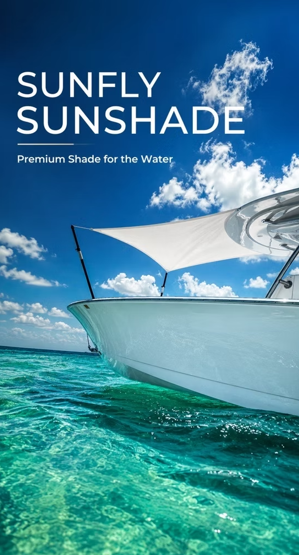
Choosing a boat shade pole involves more than finding a support that holds a fabric panel above the deck. Marine equipment must handle saltwater exposure, sunlight, changing weather conditions, and the demands of regular installation and removal. The material, fittings, mounting design, and overall construction all influence how well a shade system performs over time.
A carbon fiber boat shade pole is designed to combine lightweight handling with the rigidity needed to support marine shade fabric. This makes carbon fiber an appealing option for boat owners who want removable shade without bulky frames or complicated support arrangements. However, not all poles have the same construction or hardware, so understanding their features is important before choosing a system.
What Is a Carbon Fiber Boat Shade Pole?
A carbon fiber boat shade pole is a structural support made using carbon fiber composite material. It is designed to hold marine shade fabric in position and create overhead protection across selected areas of a vessel. Depending on the system, the pole may fit into an existing rod holder and use integrated fittings to tension the fabric.
Understanding Carbon Fiber Composite Construction
Carbon fiber composite material consists of carbon fibers combined with a resin matrix. The fibers provide strength and stiffness, while the resin holds the structure together and helps form the finished component.
This construction offers a favourable strength-to-weight ratio, which is valuable for removable marine accessories. A well-designed pole can provide the rigidity needed for shade support without adding unnecessary weight to the boat.
Construction quality still matters. The material grade, manufacturing process, pole dimensions, and connection points all contribute to the finished product’s performance.
See also: Luxury Men’s Hoodies: What Sets Premium Comfort Apart From Ordinary Sweatshirts?
How Carbon Fiber Poles Support Marine Shade Fabric
A shade pole supports one side or section of a fabric panel while the opposite side is secured to suitable mounting points. A pulley fitting and cleat can guide and secure the tensioning line, allowing the fabric to be pulled taut.
The pole must remain sufficiently rigid to support the intended arrangement. Its height and mounting position also influence the shape of the fabric and the amount of coverage available.
Why Lightweight Materials Matter for Removable Boat Accessories
Removable equipment needs to be practical to handle. Heavy poles can be more difficult to install, remove, carry, and store, particularly when the shade system is used regularly.
Carbon fiber reduces the weight of the support structure while maintaining useful rigidity. This makes it a practical material for boat owners who prefer a shade system that can be taken down when it is not required.
Why Carbon Fiber Is Used in Marine Shade Pole Systems
Marine shade equipment faces conditions that differ from those encountered by ordinary outdoor accessories. Salt spray, ultraviolet exposure, moisture, and movement can affect both the supporting poles and their fittings. Carbon fiber offers several characteristics that make it suitable for this application.
Lightweight Construction for Easier Handling
One of the main advantages of carbon fiber is its low weight compared with many traditional structural materials. Lighter poles are easier to position in rod holders and remove after use.
This is especially useful for systems designed around fixed-length pole pairs. Owners can handle the components more conveniently without relying on heavy permanent frames.
Strength and Structural Rigidity
A shade pole needs sufficient stiffness to support the fabric without excessive bending. Carbon fiber is valued for its high stiffness-to-weight ratio, allowing manufacturers to create lightweight components with useful structural rigidity.
However, overall performance depends on more than the material alone. Pole diameter, wall construction, length, fittings, and mounting compatibility must all be considered.
Resistance to Saltwater Corrosion
Unlike metals that can corrode when exposed to saltwater, carbon fiber itself does not rust. This makes it attractive for equipment used in marine environments.
The complete pole assembly still includes fittings and hardware that need appropriate corrosion protection. Anodized aluminium fittings and 316 stainless steel components can help address the demands of saltwater exposure.
Suitability for Long-Term Marine Exposure
Carbon fiber poles can be suitable for regular marine use when they are properly manufactured, maintained, and stored. Their resistance to corrosion is an advantage, but the material should still be inspected for surface damage, impact marks, and signs of wear.
Protective finishes and quality fittings also matter. Long-term durability depends on the complete construction rather than the carbon fiber tube alone.
Carbon Fiber vs Aluminium Boat Shade Poles: A Detailed Comparison
Carbon fiber and aluminium are both used in boat shade systems. Each offers different advantages, and the right choice depends on handling preferences, budget, construction, and the intended use of the vessel.
Weight and Portability
Carbon fiber is generally lighter than aluminium, making it easier to handle during installation and removal. This can be particularly useful when poles are carried between storage areas and deck mounting points.
Aluminium is heavier but remains a practical material for marine shade equipment. Its suitability depends on the pole design, dimensions, and quality of construction.
Strength and Performance Under Load
Carbon fiber offers a high strength-to-weight ratio and can provide substantial rigidity without adding excessive mass. Aluminium also provides structural strength and is widely used in marine fittings and equipment.
Neither material should be judged in isolation. A pole’s length, diameter, wall thickness, and mounting arrangement influence how it performs when supporting a shade panel.
Corrosion Resistance and Marine Durability
Carbon fiber does not rust, although its fittings may contain metal components that require corrosion-resistant finishes. Aluminium can develop surface oxidation, and its performance in saltwater depends partly on the alloy and protective coating.
Marine-grade fittings help improve the durability of either system. Regular rinsing and inspection remain important regardless of the selected material.
Maintenance Requirements and Overall Value
Both materials need basic care. Carbon fiber poles should be checked for cracks, impact damage, and surface deterioration. Aluminium poles should be inspected for coating damage, corrosion, and loose fittings.
Value should be assessed by considering weight, construction, hardware quality, maintenance, and expected frequency of use. A lower purchase price does not necessarily mean a better long-term choice if the construction or fittings are unsuitable.
Important Construction Features to Look for in a Carbon Fiber Boat Shade Pole
The carbon fiber tube is only one part of a complete shade pole system. Mounting compatibility, tensioning hardware, pulley fittings, and protective components all contribute to its usability.
Pole Diameter and Mounting Compatibility
Many rod holder-mounted shade systems are designed around a 1.5-inch pole diameter to fit compatible standard rod holders. This allows the poles to use existing mounting points rather than requiring a separate support frame.
Check the actual dimensions of your rod holders before purchasing. Compatibility should never be assumed based only on the boat type or product description.
Fixed-Length vs Telescopic Pole Designs
Fixed-length poles have a set height and do not rely on adjustable joints, locking pins, or telescopic sections. This can create a simpler construction with fewer moving parts.
Telescopic designs offer adjustable height, but their joints and locking mechanisms introduce additional components that need to be checked and maintained. Choose based on the height requirements and the type of installation you intend to use.
Stainless Steel Cam Cleats and Marine-Grade Hardware
A cam cleat secures the tensioning line after the shade fabric has been pulled into position. A 316 stainless steel duo cam cleat is a useful feature because this grade of stainless steel is commonly selected for marine hardware exposed to saltwater.
The cleat should operate smoothly and hold the line securely. Check its construction and compatibility with the pole before selecting a system.
Delrin Inserts and Top Pulley Components
Delrin is a durable engineering plastic used in marine components. Angled Delrin base inserts can help support the pole within its mounting arrangement, while a custom top pulley fitting guides the shade tensioning line.
These components should fit correctly and show no signs of cracking or excessive wear. Their design affects how the pole sits in the holder and how the fabric is tensioned.
Finish Options and Protective Fittings
Carbon fiber poles may be available with anodized or powder-coated fittings and different exterior finishes. These options can help protect components and coordinate the shade system with the boat’s appearance.
Look for well-finished edges, secure connections, and fittings designed for marine use. Protective details can make a meaningful difference to the overall quality of the assembly.
How Carbon Fiber Boat Shade Poles Work With Rod Holders
Rod holder-mounted poles use existing compatible holders as their main mounting points. This arrangement can provide removable shade support without requiring additional deck drilling or external support straps.
Understanding 1.5-Inch Rod Holder Compatibility
A 1.5-inch pole diameter is designed to fit many standard rod holders. However, holder dimensions, depth, angle, and construction should be checked before installation.
The mounting point must also be securely attached to the boat. A compatible pole cannot compensate for a loose or damaged rod holder.
How the Mounting and Tensioning System Works
The pole is inserted into the rod holder, and the shade fabric is connected to suitable mounting points on the boat. The tensioning line is then guided through the top pulley fitting and secured using the cam cleat.
This arrangement allows the fabric to be tensioned without a complicated rigging setup. Follow the manufacturer’s instructions to ensure that each component is correctly positioned.
Creating Stable Shade Without Additional Support Straps
Some purpose-designed rod holder systems are engineered to stand independently in compatible holders without extra support straps. Their rigidity, base fittings, and tensioning hardware work together to support the shade arrangement.
This keeps the deck clearer and reduces the number of loose components around the installation. Always follow the manufacturer’s guidance regarding suitable conditions and safe use.
Removing and Repositioning Poles When Needed
Removable poles can be taken out when shade is unnecessary or when the boat needs an open deck. Depending on the holder positions, they may also be repositioned to provide coverage in another suitable area.
Release the tensioning line carefully before removing the poles. Clean and store the components properly to protect them between uses.
Choosing the Right Carbon Fiber Boat Shade Pole for Your Vessel
Pole length and configuration should match the boat’s dimensions, mounting points, and required coverage. A larger vessel may need a different arrangement from a compact center console boat.
6-Foot Pole Pairs for Center Console Boats
Six-foot pole pairs are commonly used for center console boats and other vessels with more compact shade requirements. They provide a fixed-height support arrangement while remaining manageable to install and store.
Measure the distance between the mounting points and check the intended fabric dimensions before selecting this length.
8-Foot Pole Pairs for Larger Sportfish Boats
Eight-foot pole pairs are designed for larger shade arrangements and may be suitable for sportfish boats with wider deck areas. The additional height can help create clearance over selected cockpit or aft deck spaces.
The final selection should account for rod holder positions, fabric size, and nearby structures.
Topping Lift Poles for Extended Shade Coverage
A topping lift pole raises the centre of a shade panel. This can improve clearance and help create a raised fabric profile for water runoff.
These poles are available with 3-foot or 4-foot lifting arms for suitable larger-vessel configurations. Check the intended application and compatibility before adding one to a shade system.
Center Lifting Arms for Larger Yacht Configurations
Larger yachts may need additional support in the middle of a wide shade panel. A center lifting arm can raise this section and help maintain the desired fabric shape.
The correct configuration depends on the shade span, deck layout, and required clearance. Make sure the lifting arm, pole pair, and fabric are designed to work together.
For product specifications and available configurations, explore the range from Sunfly Poles.
How to Maintain Carbon Fiber Boat Shade Poles
Regular maintenance helps keep the poles, fittings, and tensioning components in suitable condition. A simple inspection routine can identify wear before it affects installation or use.
Cleaning Carbon Fiber Surfaces
Rinse the poles with fresh water after exposure to salt spray. Use mild soap and a soft cloth to remove dirt or deposits. Avoid abrasive cleaners and tools that could damage the surface or finish.
Inspecting Mounting Hardware and Fittings
Check the base fittings, Delrin inserts, cleats, and fasteners for looseness or visible damage. Inspect metal components for corrosion or coating deterioration, particularly around connection points.
Checking Tensioning Lines and Pulley Components
Examine the lines for fraying and check that the pulley moves correctly. The cam cleat should hold the line securely without sticking or showing signs of damage.
Replace worn components according to the manufacturer’s recommendations.
Proper Storage Between Boating Trips
Clean and dry the poles before storing them. A suitable marine storage bag can help protect the finish from scratches and prevent unnecessary contact with other equipment.
Store the fabric dry and away from sharp edges, excessive heat, and prolonged direct sunlight.
Common Mistakes to Avoid When Buying Carbon Fiber Shade Poles
Choosing a pole based only on its material or advertised strength can lead to an unsuitable purchase. Consider the entire system before making a decision.
- Prioritising price over construction quality: Compare the pole, fittings, mounting design, and warranty rather than focusing only on the initial cost.
- Ignoring mounting compatibility: Confirm that the pole diameter matches the boat’s rod holders.
- Selecting the wrong pole length: Measure the required coverage area and mounting positions before choosing a 6-foot or 8-foot pair.
- Overlooking marine-grade fittings: Check the quality of cleats, pulley components, inserts, and protective finishes.
- Assuming all carbon fiber poles perform equally: Construction methods, dimensions, hardware, and quality control can vary between products.
A careful comparison helps ensure that the selected system suits the boat and the conditions in which it will be used.
Frequently Asked Questions
Are carbon fiber boat shade poles better than aluminium?
Carbon fiber poles are lighter and offer a high strength-to-weight ratio, making them easier to handle. Aluminium poles can provide a practical, lower-cost alternative. The right choice depends on weight preferences, construction quality, fittings, and intended use.
Do carbon fiber shade poles corrode in saltwater?
Carbon fiber itself does not rust or corrode like metal. However, attached fittings and hardware can be affected by saltwater if they lack suitable protection. Choose marine-grade components and rinse the complete system with fresh water after use.
How strong is a carbon fiber boat shade pole?
Strength depends on the fiber construction, pole diameter, wall thickness, length, and manufacturing quality. A properly designed pole can provide the rigidity needed to support marine shade fabric. Check product specifications rather than relying on the material name alone.
Are carbon fiber poles suitable for offshore boating?
Carbon fiber poles are used in marine shade systems for different vessel types, including offshore boats. Suitability depends on the complete system, mounting points, fabric arrangement, and operating conditions. Follow the manufacturer’s guidance and remove the shade when conditions exceed its recommended limits.
How long do carbon fiber boat shade poles last?
Service life depends on construction quality, frequency of use, exposure, handling, and maintenance. Regular cleaning, hardware inspections, and protective storage can help preserve the poles. Follow the manufacturer’s warranty and care recommendations.
Conclusion: Invest in the Right Carbon Fiber Boat Shade Pole
A carbon fiber boat shade pole can offer a useful combination of lightweight handling, structural rigidity, and corrosion resistance for removable marine shade systems. However, material alone does not determine quality. Pole dimensions, rod holder compatibility, fixed-length construction, tensioning hardware, and protective fittings all deserve attention.
Before choosing a system, assess your vessel’s mounting points, required coverage, and intended use. Compare the available pole lengths and consider whether a topping lift or center lifting arm is needed for a wider shade arrangement. For further information about the company and its marine products, visit the About Us page.