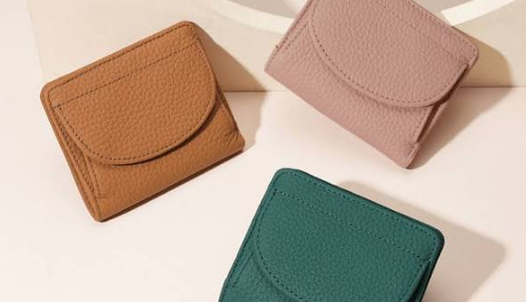
A wallet may be small, but it plays an important role in everyday life. It holds items that people regularly need, including payment cards, identification, and sometimes cash or coins. Because it is frequently handled, the design should be both practical and comfortable.
When considering a leather wallet shoppers can look beyond appearance and evaluate how the wallet fits their daily habits, handbag collection, and organizational preferences.
Function Should Come First
A beautiful wallet is not necessarily a practical one.
The first question should be what the wallet needs to hold.
Someone who uses digital payments almost exclusively may need only a few card slots. Another person may require space for notes, receipts, and additional cards.
Starting with these requirements makes the selection process much easier.
Different Wallet Sizes
Wallets come in many formats.
Compact designs are suitable for smaller handbags and people who carry relatively few items.
Longer wallets can provide more room for notes and cards while maintaining a structured appearance.
Medium-sized designs can sit between these two options.
The best size depends on the user’s daily routine.
Internal Compartments
The arrangement of compartments is often more important than the overall number.
Frequently used cards should be easy to access.
A zipped compartment may be useful for coins or small objects.
Separate sections can also help prevent receipts from becoming mixed with important cards.
Leather and Everyday Appearance
Leather remains a popular choice for wallets because it can combine durability, texture, and elegance.
It can also complement other leather accessories such as handbags, card holders, or belts.
Different finishes create different styles, from understated and professional to more expressive and contemporary.
Selecting a Colour
Colour is a personal decision, but versatility is worth considering.
A classic black wallet can work with almost any handbag.
Brown and neutral tones can create a softer appearance.
More vibrant colours can make the wallet easier to identify inside a large bag and provide an additional style element.
Matching a Wallet With a Handbag
The wallet does not need to match the handbag exactly.
A coordinated colour palette can create a refined appearance, while a contrasting wallet can provide a subtle visual accent.
Size compatibility is often more important than colour. A wallet should fit comfortably inside the bag without making it difficult to close or organize.
Avoiding Overfilling
One of the simplest ways to maintain a wallet is to avoid filling it beyond its intended capacity.
Too many cards, receipts, and notes can create unnecessary pressure.
A regular clean-out keeps the wallet lighter and makes it easier to find important items.
Long-Term Care
Wallets are exposed to frequent handling, so small signs of wear are normal.
Keeping the wallet away from excessive moisture and storing it properly can help preserve its appearance.
Leather care should always follow the manufacturer’s instructions.
Frequently Asked Questions
1. How do I choose the right wallet size?
Consider the number of cards, cash, and other items you carry and compare that with the bags you use most often.
2. Does a wallet need to match my handbag?
No. Matching can create a coordinated look, but contrasting colours can also work well.
3. How can I prevent a wallet from losing its shape?
Avoid overfilling it and store it in a dry location away from heavy pressure.
Conclusion
The ideal wallet combines the storage needed for everyday life with a design that suits personal style. Size, compartments, material, colour, and compatibility with existing bags should all be considered before making a choice.
A leather design can offer a particularly versatile balance of function and refined appearance when it is selected according to real daily needs.