A well-designed interior feels connected from one area to another. Furniture, wall colours, lighting, flooring, and decorative accessories all contribute to the overall appearance of a property. Flooring is particularly influential because it covers a large surface area and provides the foundation for the rest of the design.
Custom carpets give homeowners and interior designers greater control over this foundation. Instead of selecting a standard carpet that may only partially suit a room, they can choose dimensions, colours, patterns, textures, and materials according to the property’s specific requirements.
This flexibility helps create interiors that feel considered, comfortable, and consistent.
Flooring as the Foundation of Interior Design
Flooring influences how furniture and decorative features appear within a room. A carpet with the right colour and texture can connect different design elements, while an unsuitable choice may make the space feel disconnected.
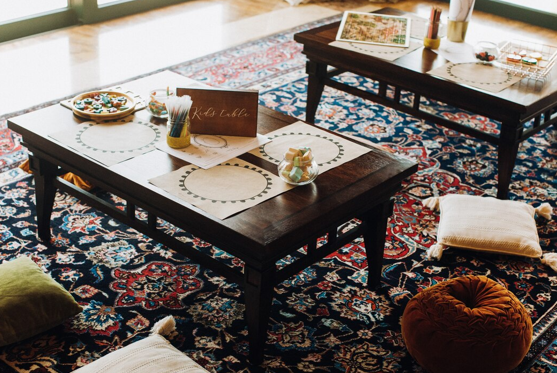
For example, a room with warm wooden furniture, cream walls, and natural fabric upholstery may benefit from a carpet in a complementary neutral shade. A cooler colour or overly bold pattern might compete with the existing finishes.
Custom carpets allow these details to be considered before the final design is selected.
They can also be designed to suit the proportions of individual rooms, helping establish a balanced relationship between the floor, walls, and furniture.
See also: Why LED Underwater Fishing Lights Are Popular Among Fishing Enthusiasts
Creating a Consistent Colour Scheme
Colour coordination is one of the main ways custom carpets contribute to cohesive interiors. A carpet can complement the existing palette or introduce a carefully selected accent shade.
For open-plan properties, consistent flooring colours can help connect living, dining, and kitchen areas. Even when each zone has a different purpose, a shared flooring palette can make the overall space feel more connected.
Bedrooms may require a softer colour scheme, while a home office could benefit from a slightly deeper or more practical shade.
Custom colour selection also allows homeowners to coordinate carpets with wall paint, curtains, upholstery, and architectural details.
Samples should ideally be viewed under the room’s actual lighting conditions. Natural daylight and artificial lighting can make the same carpet colour appear quite different.
Matching Carpet Designs to Different Room Sizes
Standard carpet dimensions may not suit every property. Older buildings, converted spaces, and rooms with unusual layouts often require careful measurement.
Custom carpets can be created to fit specific dimensions, reducing unnecessary gaps and making the finished flooring appear more balanced.
In large living rooms, wall-to-wall carpeting can provide a continuous surface. Alternatively, a custom-sized carpet can define a seating area while leaving some of the original flooring visible.
Smaller rooms may benefit from carefully selected colours and patterns that complement the available space. Large, busy designs can sometimes dominate compact interiors, while subtle patterns and lighter shades may create a more restrained appearance.
Hallways and staircases can also require specially measured carpet sections. Matching their appearance with nearby rooms helps maintain visual continuity throughout the property.
Connecting Open-Plan Living Areas
Open-plan layouts combine different household activities within one larger space. Living rooms, dining areas, and kitchens may share the same floor, making it necessary to create a sense of organization without introducing unnecessary visual divisions.
Custom carpets can help establish separate zones while maintaining a common design language.
For example, a living area may feature a custom carpet in a neutral colour, while the dining space uses a related shade or pattern. Both areas remain visually connected, but each has a clear purpose.
Carpet colours can also coordinate with kitchen cabinetry, dining furniture, and nearby upholstery.
This approach is particularly useful in properties where physical partitions are limited. Carefully selected flooring can provide definition without making the open-plan layout feel divided.
Selecting Textures That Complement Furniture
Texture affects the way a room feels as well as how it looks. A smooth, understated carpet may suit a contemporary interior with clean-lined furniture, while a more textured finish can complement traditional or rustic décor.
Custom carpets provide options for different pile heights, fibre types, and surface finishes.
Wool carpets, for example, offer natural softness and resilience. Synthetic fibres may be suitable for areas where straightforward maintenance is a priority. Blended materials can provide a combination of different characteristics.
Texture should also relate to the furniture already present. Soft upholstered sofas may pair well with a structured carpet, while rooms with glass, metal, and polished surfaces may benefit from a warmer textile finish.
Considering these relationships helps prevent the flooring from feeling like an unrelated addition.
Using Patterns Without Overcrowding a Room
Patterns can introduce personality, but their scale and placement need careful consideration.
A patterned custom carpet can become a focal point in a room with relatively simple furniture and plain walls. Geometric designs may complement contemporary interiors, while traditional motifs can work well with classic furniture and decorative finishes.
For rooms that already contain patterned curtains, cushions, or wallpaper, a more subtle carpet may create a better balance.
Pattern scale also matters. Large designs may be more noticeable in spacious rooms, while smaller repeating patterns can work in compact areas.
Custom design allows the pattern to be selected according to the dimensions and intended atmosphere of the room.
Maintaining Continuity Between Rooms
A consistent flooring approach can make a property feel more connected. This does not require every room to have exactly the same carpet, but the selected materials and colours should relate to one another.
For example, a home may use a neutral wool carpet in bedrooms and a complementary shade in the hallway. The rooms remain distinct, but the shared colour family creates continuity.
Staircases provide another opportunity to connect different levels of a property. A carpet that coordinates with nearby flooring can help the transition feel natural.
Custom carpets also make it easier to accommodate different dimensions while maintaining similar colours and finishes throughout the home.
Practical Considerations Before Ordering
A carpet should suit the practical requirements of the space as well as its appearance.
Foot traffic is one of the main factors to consider. Hallways, stairs, and living rooms generally receive more regular use than guest bedrooms or formal sitting rooms.
Material selection should reflect these differences. Some fibres are better suited to busy areas, while delicate or higher-pile options may be more appropriate for spaces with lighter use.
Homeowners should also consider cleaning requirements, furniture weight, sunlight exposure, and the possibility of spills.
Accurate measurements are essential for custom orders. The room should be measured carefully, including recesses, doorways, and unusual corners. Professional measurement can help reduce fitting problems and unnecessary material waste.
Working With an Interior Designer or Carpet Specialist
Professional guidance can be helpful during the selection process, particularly when several rooms need to follow a shared design scheme.
An interior designer can help coordinate carpet colours with furniture, wall finishes, and decorative elements. A carpet specialist can provide information about fibre types, construction, pile height, and installation requirements.
Bringing fabric samples, paint references, and photographs of the room to a consultation can make the process more productive.
It is also useful to request carpet samples before confirming an order. Viewing the material in the actual space helps homeowners assess its texture and colour under different lighting conditions.
Discussing installation requirements in advance can prevent problems involving door clearance, floor preparation, and transitions between rooms.
A More Connected Approach to Home Design
Custom carpets allow flooring to become an intentional part of the interior design rather than an afterthought. Their dimensions, colours, patterns, and materials can be selected to suit individual rooms while maintaining a consistent visual relationship throughout the property.
From open-plan living areas to bedrooms, hallways, and staircases, carefully planned carpeting can help define spaces and connect different decorative elements.
The result is an interior where flooring supports the overall design, complements the furniture, and meets the practical needs of everyday household use.