Glass has become an important element in modern architecture. From large residential windows and commercial facades to internal partitions and glass doors, it helps create bright, open, and visually appealing spaces. Architects and interior designers often use glass to connect indoor and outdoor environments, introduce natural light, and give buildings a contemporary appearance.
However, plain glass does not always provide the level of privacy, decoration, or functionality required for every space. Some areas need visual screening, while others could benefit from additional design details that complement the surrounding interiors.
Decorative window films offer a practical way to transform ordinary glass surfaces without replacing the existing glazing. Available in different colours, patterns, textures, and finishes, they allow property owners to introduce creative design elements while maintaining many of the benefits of glass.
Whether used in homes, offices, retail stores, or hospitality environments, decorative glass films can make a noticeable difference to the appearance and functionality of modern architectural spaces.
Let’s explore some stylish ideas and practical applications for incorporating glass films into contemporary designs.
1. Create Elegant Frosted Glass Effects
Frosted glass is a popular design choice because it combines a clean appearance with practical privacy. It allows natural light to pass through while making it difficult to see clearly through the glass.
Instead of replacing existing transparent glass with permanently frosted panels, property owners can achieve a similar appearance using frosted window films.
These films are particularly suitable for spaces where privacy is important but completely blocking daylight is not desirable.
Some popular applications include:
• Bathroom windows and shower partitions.
• Office meeting room glass walls.
• Internal glass doors.
• Residential entrance partitions.
• Glass panels separating different areas.
Frosted finishes are available in different levels of opacity, allowing designers to choose the amount of visual screening required.
They also work well with minimalist interiors because of their subtle and uncluttered appearance.
2. Introduce Geometric Patterns into Glass Surfaces
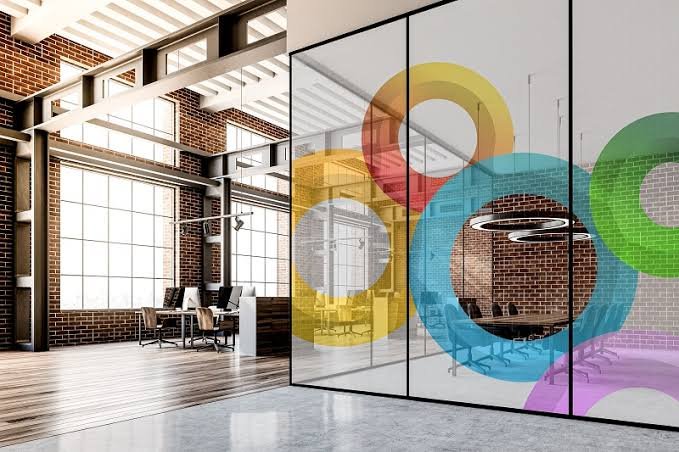
Geometric patterns can add visual interest to otherwise plain glass surfaces. They are particularly popular in contemporary architectural interiors where clean lines and structured designs play an important role.
Window films featuring squares, rectangles, triangles, circles, and repeating linear patterns can create an attractive appearance without making a space feel overcrowded.
For example, geometric designs can be used on:
Office partitions: Adding patterns to meeting room glass walls while maintaining a professional appearance.
Residential doors: Creating decorative details on internal glass doors.
Reception areas: Enhancing the visual appeal of entrance partitions.
Retail interiors: Introducing patterns that complement the store’s overall design.
The size, spacing, and arrangement of geometric patterns should be selected according to the surrounding architecture.
Subtle designs are often suitable for smaller spaces, while larger patterns can create a stronger visual feature in spacious interiors.
3. Use Decorative Films to Enhance Office Interiors
Modern offices frequently feature open layouts, glass meeting rooms, and transparent partitions. These elements help create a bright and collaborative environment, but completely transparent surfaces can sometimes make workplaces feel exposed.
Decorative films provide an opportunity to introduce design details while improving visual separation.
Businesses can consider several options depending on their interior style.
Branded Glass Designs
Company logos and visual identity elements can be incorporated into frosted or patterned films.
This creates a professional appearance while making internal glass partitions more distinctive.
Gradient Patterns
Gradient films gradually change from transparent to more opaque. They can create an elegant visual effect while offering partial privacy.
Linear Designs
Horizontal and vertical patterns add structure to glass surfaces and work particularly well in contemporary office environments.
Textured Finishes
Textured films create the appearance of specialised glass finishes without requiring the replacement of existing panels.
These options allow offices to maintain their open architectural character while making individual spaces more visually appealing.
4. Add Privacy and Style to Residential Interiors
Glass is commonly used in modern homes for doors, windows, staircases, room dividers, and decorative partitions.
Although transparent glass creates an open atmosphere, certain areas require greater privacy.
Decorative films can provide an attractive solution without making interiors feel dark or enclosed.
Some residential applications include:
• Frosted designs for bathroom windows.
• Decorative patterns for bedroom doors.
• Textured finishes for kitchen partitions.
• Privacy films for home offices.
• Stylish patterns for glass entrance doors.
Homeowners can select designs that complement their furniture, wall colours, flooring, and overall interior theme.
For example, simple frosted patterns may suit minimalist homes, while more detailed decorative designs can complement traditional or artistic interiors.
5. Explore Gradient Glass Film Designs
Gradient films are an interesting option for spaces where complete privacy is unnecessary.
These films gradually transition between different levels of transparency, creating a soft and modern appearance.
They are particularly useful when designers want to maintain visibility in certain sections while introducing screening in others.
Common applications include:
Conference rooms: Providing privacy around seated eye level while keeping upper sections transparent.
Office corridors: Adding visual details to long glass partitions.
Reception areas: Creating an elegant background behind reception desks.
Residential partitions: Separating living spaces without making them feel completely enclosed.
Gradient patterns can also help create a sense of depth and movement across large glass surfaces.
Their appearance can be customised according to the architectural style and the amount of privacy required.
6. Give Glass Doors a Decorative Upgrade
Glass doors are widely used in contemporary homes, offices, restaurants, and retail spaces.
They provide easy visual access between different areas and allow natural light to move through interiors. However, plain glass doors can sometimes look too simple or require additional visual markings.
Decorative films can improve their appearance through different finishes and patterns.
Some design ideas include:
• Frosted horizontal bands across the centre of doors.
• Repeating geometric patterns.
• Subtle floral designs.
• Textured translucent finishes.
• Custom graphics that complement interior branding.
In commercial buildings, visible markings on glass doors and partitions can also help people recognise glass surfaces and reduce accidental collisions. Such markings should be designed according to relevant building accessibility and safety requirements.
7. Create Attractive Decorative Glass Partitions
Glass partitions are useful for dividing spaces without constructing permanent walls.
They are common in modern offices, restaurants, hotels, healthcare facilities, and residential properties.
However, large transparent partitions can sometimes make interiors feel visually repetitive.
Adding decorative films can create a more interesting design while maintaining the advantages of glass.
For example:
Nature-inspired patterns: Leaf, branch, and organic designs can introduce a softer visual element.
Abstract artwork: Contemporary patterns can create an attractive feature in commercial interiors.
Minimalist lines: Simple arrangements can complement modern furniture and architectural details.
Textured effects: These can create the appearance of specialised decorative glazing.
The design should work with the proportions of the glass partition and the surrounding interior.
8. Bring Nature-Inspired Designs into Modern Architecture
Nature-inspired interiors have become increasingly popular because they create a calm and welcoming atmosphere.
Decorative films featuring botanical patterns, leaves, branches, and organic shapes can bring this aesthetic into glass-heavy environments.
These designs can be used in:
• Residential living room partitions.
• Spa and wellness centres.
• Hotel reception areas.
• Restaurant interiors.
• Office relaxation spaces.
• Healthcare waiting rooms.
Nature-inspired films are available in subtle and detailed designs. Light patterns can create an understated decorative effect, while larger motifs can become an important part of the interior design.
When selecting these patterns, consider the room’s lighting and colour scheme to ensure the design feels balanced.
9. Use Coloured Glass Films for Creative Interiors
Colour is another way to transform glass surfaces.
Coloured decorative films can introduce visual contrast, highlight specific architectural features, and complement existing interior themes.
For instance, soft neutral shades may work well in professional environments, while more vibrant colours can be suitable for creative offices, retail stores, and recreational spaces.
Some ideas include:
Soft blue finishes: Creating a cool and refreshing visual effect.
Warm bronze tones: Complementing wooden furniture and warm interior colours.
Neutral grey shades: Supporting understated contemporary designs.
Coloured accent patterns: Adding distinctive details to selected glass panels.
The final appearance depends on the film’s transparency, colour, lighting conditions, and the glass underneath.
It is important to review samples in the actual space before making a final selection because artificial and natural lighting can change how colours appear.
10. Enhance Retail and Hospitality Spaces
Retail stores, restaurants, hotels, and other hospitality environments often use glass as an important part of their architectural design.
Large windows help attract visitors, while glass partitions create separation without making interiors feel closed.
Decorative films can help these businesses create memorable visual experiences.
Retail Stores
Decorative films can be used on storefront windows, display partitions, fitting room areas, and internal glass doors.
They can also incorporate promotional graphics and brand-related elements where appropriate.
Restaurants and Cafes
Frosted or patterned films can create privacy between dining sections while maintaining natural light.
They can also introduce decorative details that complement the restaurant’s interior theme.
Hotels
Decorative films can enhance reception areas, guest room partitions, bathroom glass, and conference facilities.
Spas and Wellness Centres
Nature-inspired and frosted designs can help create a peaceful atmosphere while providing privacy in selected treatment areas.
The key is to choose finishes that support the business’s overall visual identity.
11. Combine Decorative Films with Solar-Control Benefits
Although decorative films are primarily selected for appearance, some specialised products also offer additional functional benefits.
Depending on their construction and specifications, certain films may help manage sunlight, glare, or UV exposure.
This can be particularly useful in buildings with large glass windows that receive direct sunlight throughout the day.
When comparing products, consider the following measurements:
• Visible Light Transmission.
• UV rejection percentage.
• Total Solar Energy Rejected.
• Glare reduction performance.
• Compatibility with the existing glazing.
Not every decorative film provides meaningful solar-control performance. If heat reduction is an important requirement, select a product specifically designed and tested for that purpose.
12. Choose the Right Decorative Film for Your Architectural Style
The best decorative film is one that complements the building rather than competing with its existing design.
Before choosing a finish, consider the following factors.
Interior Design Theme
Identify whether the property has a minimalist, traditional, industrial, contemporary, or nature-inspired style.
The film pattern should complement the surrounding design elements.
Glass Size and Shape
Large glass panels provide more room for detailed patterns, while smaller windows may look better with simpler designs.
Privacy Requirements
Decide whether the main purpose is decoration, partial screening, or greater visual privacy.
Lighting Conditions
Consider how much natural light enters the room and whether the selected film could make the interior feel darker.
Maintenance
Choose films that can be cleaned easily and are suitable for the location where they will be installed.
Product Quality
Review product specifications, durability information, warranty coverage, and installation recommendations.
13. Why Professional Installation Matters
A decorative film can look impressive in product samples, but its final appearance depends heavily on installation quality.
Incorrect application may create visible bubbles, dust particles, wrinkles, or uneven edges.
Professional installers follow suitable preparation and application methods to achieve a smooth finish.
A typical installation process includes:
- Inspecting the glass surface and checking product compatibility.
- Measuring the glass panels accurately.
- Cleaning the surface to remove dust and contaminants.
- Preparing and cutting the film according to the required design.
- Applying the film using an appropriate installation solution.
- Removing excess solution and trapped air.
- Checking the edges and overall finish.
- Providing maintenance and curing instructions.
Professional installation is particularly important when applying custom patterns or films across large architectural glass surfaces.
14. Maintenance Tips for Decorative Glass Films
Decorative films require basic care to maintain their appearance.
Homeowners and commercial property managers can follow these simple recommendations:
• Allow the film to cure according to the installer’s instructions.
• Use a soft microfiber cloth for cleaning.
• Avoid rough sponges and abrasive cleaning materials.
• Use mild cleaning solutions approved by the manufacturer.
• Avoid sharp tools that may scratch the film.
• Clean the glass regularly to prevent dust accumulation.
• Check film edges periodically for signs of peeling or damage.
Following the correct maintenance practices can help preserve the decorative finish for longer.
Frequently Asked Questions
1. What are decorative glass films used for?
Decorative glass films are used to improve the appearance of windows, glass doors, and partitions. They can also provide varying levels of visual privacy depending on their design and transparency.
2. Can decorative films be applied to existing glass?
Yes. Many decorative films are designed for installation on existing glass surfaces. The glazing should be inspected to confirm compatibility before installation.
3. Do decorative films block natural light?
Most translucent decorative films allow some natural light to pass through. The amount of light depends on the design, opacity, and film specifications.
4. Are decorative glass films suitable for offices?
Yes. They are commonly used in meeting rooms, reception areas, executive offices, and glass partitions to improve interior appearance and provide visual screening.
5. Can decorative films be customised?
Many products can be customised with specific patterns, company logos, geometric designs, and other graphics. Customisation options depend on the manufacturer and film type.
6. Do decorative films provide privacy at night?
Frosted and opaque films generally provide consistent visual screening during both day and night. Reflective decorative films may not provide the same level of privacy when indoor lighting is brighter than outdoor lighting.
7. Can decorative films help reduce heat?
Some specialised decorative films offer solar-control properties, but not all do. Check the product’s technical specifications if heat reduction is an important requirement.
8. How long do decorative glass films last?
Their lifespan depends on product quality, installation, environmental exposure, and maintenance. Manufacturer warranty information can help clarify expected durability.
9. Can decorative films be removed without replacing the glass?
Many films can be removed from compatible glass surfaces without replacing the glass. The removal process depends on the adhesive and product type.
Conclusion
Modern architectural design is about creating spaces that are both attractive and functional. Glass plays an important role in achieving this balance, but plain transparent surfaces do not always meet every requirement for privacy, decoration, and comfort.
Decorative films offer a flexible way to improve existing glass without major renovation work. From elegant frosted finishes and geometric patterns to gradient effects and customised graphics, there are many ways to introduce creative details into residential and commercial interiors.
The right design should complement the building’s architecture, support its practical requirements, and maintain an appropriate balance between natural light and privacy.
With careful product selection and professional installation, decorative glass films can turn ordinary glass surfaces into attractive architectural features while making modern spaces more functional and visually appealing.