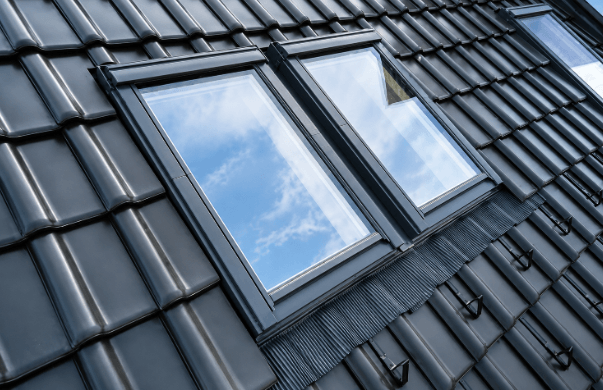
Natural light has become one of the most desirable features in modern homes. Whether you are renovating an older property or designing a contemporary extension, bringing more daylight indoors can make every room feel brighter, larger, and more welcoming. One of the most effective ways to achieve this is by installing flat fixed rooflights.
Unlike traditional windows, rooflights allow sunlight to enter from above, creating an even spread of daylight throughout the space. They work particularly well in kitchens, dining areas, home offices, and flat roof extensions where wall space may be limited. Beyond their visual appeal, they also contribute to a more comfortable living environment by reducing reliance on artificial lighting during the day.
This guide explores why fixed rooflights have become such a popular architectural feature, what makes them a smart investment, and the key considerations before choosing the right option for your home.
Why Homeowners Are Choosing Rooflights
Modern living spaces are designed to feel open and connected with the outdoors. Large windows certainly help, but rooflights introduce natural light from a completely different angle.
Light entering from above reaches deeper into the room, reducing dark corners and creating a more balanced atmosphere. This can completely change the appearance of an interior without altering its overall layout.
Many homeowners appreciate rooflights because they offer:
- Increased natural daylight
- A contemporary architectural finish
- Better visual connection with the sky
- Improved sense of space
- Reduced daytime use of electric lighting
Whether installed in a new build or a refurbishment project, rooflights create an elegant finishing touch that combines practicality with style.
What Makes Fixed Rooflights Different?
Unlike opening roof windows, fixed rooflights remain permanently sealed. They are designed purely to maximise daylight while maintaining excellent weather resistance and thermal performance.
This makes them particularly suitable for rooms that already have sufficient ventilation through doors or windows.
A fixed rooflight generally requires less maintenance because there are no opening mechanisms, hinges, or handles to service. Its streamlined design also creates a clean architectural appearance that suits both traditional and contemporary homes.
Many architects favour fixed systems because they offer uninterrupted glass surfaces with slim frames that enhance the overall design of the property.
The Beauty of a Minimalist Design
Modern architecture often focuses on simplicity. Clean lines, uncluttered interiors, and open spaces all contribute to a calm living environment.
Rooflights fit perfectly within this design philosophy. Their low-profile appearance blends seamlessly into flat roofs while allowing the glazing itself to become the visual feature. From inside the property, attention naturally shifts towards the changing sky above, creating an attractive focal point throughout the day.
Whether sunlight is streaming through in the morning or raindrops create a calming atmosphere in the evening, rooflights offer an ever-changing view that standard windows cannot provide.
Energy Efficiency Matters
Today’s homeowners are increasingly focused on energy performance. High-quality rooflights are designed with advanced glazing technologies that help maintain comfortable indoor temperatures throughout the year.
Modern glazing can reduce heat loss during winter while limiting excessive solar gain during warmer months.
Many systems include features such as:
- Double or triple glazing
- Low-emissivity coatings
- Thermally insulated frames
- Toughened safety glass
- Laminated inner panes for additional protection
These improvements help create comfortable interiors while supporting overall energy efficiency.
Choosing the Right Size
Selecting the correct rooflight size is one of the most important decisions during planning.
A rooflight that is too small may not provide enough daylight, while one that is oversized can dominate the room.
Architects often recommend considering:
- The size of the room
- Ceiling height
- Interior colour palette
- Roof orientation
- Furniture placement
- Existing natural light levels
Finding the right balance ensures the finished result feels bright without becoming overwhelming.
Materials That Deliver Long-Term Performance
Rooflights are exposed to changing weather conditions throughout the year, making material quality especially important. Premium aluminium frames are widely preferred because they combine durability with slim sightlines. Powder-coated finishes also provide excellent resistance against corrosion while requiring very little maintenance.
The glazing itself should be manufactured using toughened safety glass that meets current building standards. Many homeowners also choose laminated inner glass for additional safety and improved acoustic performance.
Perfect Spaces for Rooflights
Rooflights can enhance many different parts of a property.
Some of the most popular locations include:
- Kitchen extensions
- Open-plan living spaces
- Dining rooms
- Hallways
- Garden rooms
- Home offices
- Utility rooms
- Contemporary bathrooms
Even rooms located in the centre of a property can benefit significantly from overhead daylight.
Glass Quality Makes the Difference
Not all roof glazing performs equally. Choosing a high-quality fixed glass roof light ensures excellent clarity, durability, and long-term performance. Premium glazing reduces distortion while allowing maximum daylight transmission.
Many products also incorporate coatings that minimise glare without noticeably reducing brightness. These advanced glazing technologies help create comfortable interiors throughout every season while maintaining attractive external aesthetics.
Installation Considerations
Professional installation is essential for achieving the best results. A correctly installed rooflight should provide:
- Reliable waterproofing
- Accurate structural support
- Proper insulation
- Excellent airtightness
- Long-term durability
Installers will ensure the roof opening is correctly prepared before fitting the rooflight according to manufacturer recommendations.
Proper flashing, sealing systems, and weatherproof detailing all contribute to dependable long-term performance.
Maintenance Is Surprisingly Simple
One of the advantages of fixed rooflights is their minimal maintenance requirements.
Routine care usually involves:
- Cleaning the external glass when accessible
- Removing leaves or debris from surrounding roof areas
- Inspecting seals periodically
- Checking drainage channels remain clear
Since there are no opening components, ongoing servicing requirements are generally much lower than opening roof windows. With occasional cleaning, rooflights can continue performing beautifully for many years.
What to Look for Before Buying
Choosing the right rooflight involves more than appearance alone.
Before making a decision, consider:
- Manufacturer reputation
- Glass specification
- Frame quality
- Thermal efficiency
- Weather resistance
- Building regulation compliance
- Product warranty
- Professional installation options
Researching these factors helps ensure your investment delivers reliable long-term performance.
If you are exploring fixed rooflights for sale, compare product specifications carefully rather than focusing solely on appearance. High-quality engineering often provides better durability, energy efficiency, and overall value over time.
See also: What Is Crypto Staking?
Conclusion
Bringing more natural light into your home does not always require major structural changes. A thoughtfully selected rooflight can transform everyday living spaces by creating brighter interiors, enhancing architectural appeal, and supporting greater energy efficiency.
From contemporary extensions to complete home renovations, fixed rooflights offer an elegant solution that balances performance with modern design. By selecting quality materials, professional installation, and the right glazing specification, homeowners can enjoy beautiful natural daylight for many years to come.