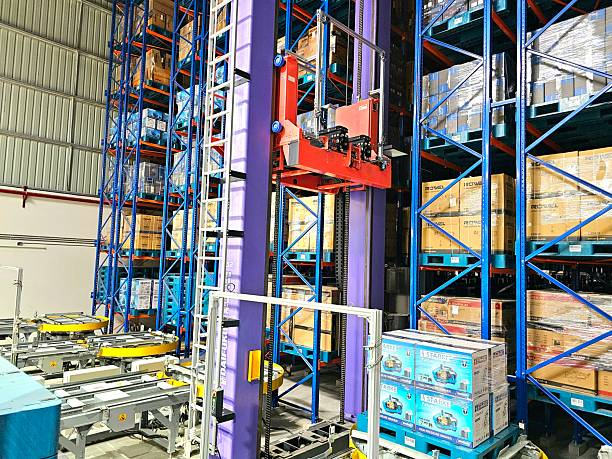
A pallet rack that looks fine from the aisle can still be one bad load away from failing. The damage that matters is usually low to the ground, hidden behind pallets, or covered with fresh paint applied the week before you showed up. That is why buying used warehouse racking works out well for some buyers and turns into an expensive lesson for others. The savings can be big, but they only hold up if you know what you are looking at.
You do not need to be an engineer to catch the big problems. A tape measure, a flashlight, a level and about an hour per aisle will tell you more than most sellers would like you to know.
Start with the uprights
Uprights are the vertical frames, and they carry everything. If they are bad, nothing else matters. Walk every frame and look at the bottom three feet first, because that is where forklifts hit. Scuffs and scratched paint are fine. Crushed, creased or torn columns are not, because the steel stops carrying load the way it was designed to once the profile changes.
Check that each frame stands straight by holding a level or plumb line against the column. A common guideline allows about half an inch of lean over ten feet, and anything beyond that suggests the frame took a hit or the floor under it is uneven. Sight down the aisle too. A frame that sits out of line with its neighbours has probably been struck hard enough to shift.
Fresh paint on a few frames and faded paint on the rest deserves a question. It is not always a trick, but paint can hide dents, rust and weld repairs, so ask what was painted and why.
Look at the bracing between the columns while you are there. Diagonal and horizontal braces are thin and get bent first, and missing ones weaken the whole frame. They are cheap to replace, so treat them as a reason to negotiate rather than a reason to leave.
Then the beams and their locks
Sight along each beam at eye level. Visible sag, twisting or a bowed bottom flange means it has been overloaded. A common limit is about one 180th of the span at full load, which works out to roughly half an inch on an eight foot beam. If a beam sags noticeably when it is empty, it is finished.
Then check the connectors. The hooks at each end of the beam should be undamaged and fully seated in the column slots, with a safety lock or pin at every connection. Missing locks are common on used racking and cheap to replace, but they tell you how the last owner ran the warehouse. If half the locks are gone, expect other shortcuts.
Look closely for welded repairs as well. A weld added by someone other than the manufacturer changes how the steel behaves under load, and most rack engineers will not approve it. Walk away from any frame or beam with a welded patch.
Check the base, the floor and the rust
Each frame should sit on a flat base plate anchored to the slab. Look for missing anchor bolts, bent plates and shims stacked under the footprint to cover an uneven floor. A few shims are normal. A tall stack of them is a sign somebody forced the frame to fit.
Surface rust in a dry building is mostly cosmetic. Heavy flaking, pitting or rust near the floor is a different story, especially on racking that came out of cold storage or a food plant where washdowns and condensation are routine. Poke suspicious spots with a screwdriver. If the metal flakes or feels soft, it has lost thickness and strength.
Capacity plates, brands and mixed parts
Every rack system is rated for a specific load, and that rating depends on the manufacturer, the column profile, the beam size and the spacing between levels. Look for capacity plates or labels on the frames. If they are missing, nobody can say what the system safely holds, and an inspector or engineer will ask the same question you should. Used racking with no tags is only a bargain if you are ready to pay for a re-evaluation.
Brands matter more than sellers admit. A beam from one manufacturer does not safely connect to a column from another, even when it seems to fit. Be wary of a pile of mixed parts from five different sources. In Canada, rack design generally follows the CSA A344 standard, and your local building authority may want engineered drawings for your layout before anything goes up.
Once the racking is yours, post load signs showing the capacity per beam level and bay, and train your forklift drivers. A system bought used and run carefully will outlast one bought new and run carelessly.
Inspect it standing if you can
The best time to look at used racking is before it comes down. A system still standing in a warehouse shows you wear patterns, loading history and real damage. Once frames are stacked on a truck, problems are easier to hide and harder to trace. If it is already dismantled, lay everything out and count it. Short counts of beams, locks, row spacers and base plates are the usual surprise.
Ask why it is being sold. A closed warehouse and a warehouse that overloaded its racking and had a collapse are very different sellers. Ask for inspection reports and repair history, and take note if there is none. A seller who looked after the system usually has paper to show for it.
The small parts that add up
Wire decks, pallet supports, row spacers and column protectors rarely get inspected, and they matter. Wire mesh decking should be flat, with intact welds and no broken wires, and it has to match the beam depth it sits on. Pallet supports and row spacers keep pallets from dropping between rows, so look for bends and missing pieces. Column protectors are cheap, and used ones tend to be dented from doing their job, which is fine.
The costs behind the price tag
The sticker price is one number out of several. Takedown, trucking, storage, replacement parts and installation all stack on top, and engineering or permits may be required on top of that. For a small job with standard selective pallet racking from a recognizable manufacturer, used still makes sense. For larger systems with mixed parts, new often lands close in total cost and comes with a warranty and known capacities.
When racking is part of a bigger project, like a new fit-out or an expansion, the decision gets larger than one purchase. Slab capacity, sprinklers, aisle widths and permits all decide what racking you can actually use, and a design build construction team can sort those out before you commit to a pile of steel that does not fit the plan.
Used racking is a good fit for straightforward selective pallet rack in a stable operation, where you know the pallet weights and the layout will not change much. It is a poor fit for high bay systems, seismic zones or anything holding heavy or hazardous loads, where one missed defect costs far more than the savings.
Be honest about your timeline too. Used systems often take longer to source, sort and re-engineer, and a project with a hard opening date may be better off with new racking that ships on a schedule.
What to do on inspection day
Bring a camera and photograph every damaged spot, then mark it with a paint pen so it can be found again. Measure the beam lengths, frame depths and heights, since you will need them to confirm everything fits your layout. Ask the seller to put the damage in writing and adjust the price to match.
Know your walk away list before you arrive. Crushed columns, welded repairs, missing capacity information and mixed manufacturers are the four that should end the conversation. Everything else, from missing locks to bent braces, has a price.
If you are buying more than a handful of bays, pay a rack inspector or engineer to look at it with you. A few hundred dollars for an inspection is small next to tens of thousands of dollars in steel, and an engineer can tell you what is reusable and what should go to scrap.
Working with a racking company
A good Warehouse Racking company will inspect used racking for you, tell you what can be reused and quote installation honestly. Some also sell reconditioned racking with documented capacities, which removes most of the guesswork. Watch out for a company that only sells used and pushes whatever it has in stock, or one that only sells new and writes off every used option.
Ask how they inspect, what standard they work to and whether they will stand behind a used system once it is installed. Their answers will tell you how much to trust the rest of the quote, and vague answers usually mean vague quality.
If you are weighing used against new for a project, get connected with a team that can walk the racking with you, check the numbers and tell you straight whether the savings are worth it.