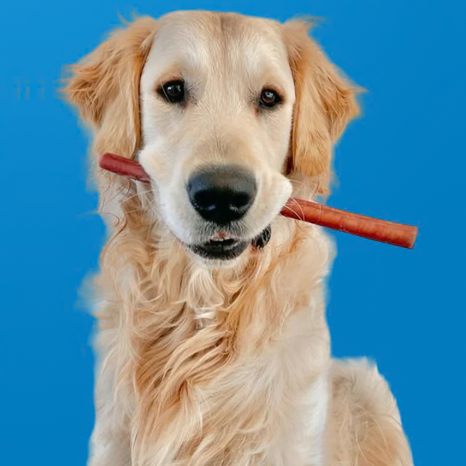
Choosing the right treats for a dog involves more than finding something tasty. Pet parents often look for options that keep their dogs engaged, suit their chewing habits, and fit comfortably into their everyday diet. With so many chew treats available, understanding the differences between products can make shopping easier.
Bully sticks are a popular choice among dog owners because they offer a firm, chewy texture that many dogs enjoy. If you are planning to buy bully sticks for dogs, it is important to choose a product that suits your pet’s size, chewing habits, and dietary needs. These treats are generally made from beef pizzle that has been cleaned, prepared, and dried. However, quality, thickness, length, and processing methods can differ between products.
Before making a purchase, it is important to understand what these chews contain, whether they suit your dog’s chewing style, and how to offer them responsibly. This guide covers the essential factors to consider when selecting a chew treat for your pet.
What Are Bully Sticks?
Bully sticks are single-ingredient or primarily beef-based dog chews commonly made from the pizzle, which is a muscle tissue from cattle. The raw material is cleaned and processed before being dried into a firm, chewy product.
They are available in several forms, including straight sticks, braided varieties, and different thicknesses. Some are relatively thin and flexible, while others are dense and firm.
Many dogs enjoy the taste and texture, making these chews an occasional treat option. However, not every product is suitable for every dog. Pet parents should consider the dog’s size, age, chewing strength, and dietary requirements before introducing one.
Why Do Dogs Enjoy Chew Treats?
Chewing is a natural behaviour for dogs. It can provide stimulation and give them an appropriate activity during quiet periods at home.
A suitable chew may offer several practical advantages as part of a supervised routine.
1. Mental Engagement
Some dogs enjoy working on a chew because it gives them an activity that requires attention. This can be useful when they need something to occupy them for a short period.
Chewing should still be balanced with walks, interactive play, training, and other forms of enrichment.
2. A Different Treat Texture
Dogs experience different textures through their everyday food and treats. A chewy snack offers a different experience from crunchy biscuits or soft training rewards.
Pet parents can rotate suitable treats to keep snack time interesting while maintaining portion control.
3. An Activity That Matches Natural Behaviour
Many dogs naturally enjoy using their mouths to explore objects. Providing an appropriate chew may help direct this behaviour towards a product intended for dogs rather than household belongings.
However, a chew should never be treated as a substitute for training or supervision.
Understand the Ingredients Before Purchasing
Ingredient information should be one of the first things you check when selecting a dog chew.
Traditional bully sticks are made from beef pizzle, but processing methods and product descriptions can vary. Some products may contain additional ingredients, coatings, or flavourings.
Before buying, review the following details:
- Main ingredient: Check whether the product clearly identifies its beef source.
- Additional ingredients: Look for preservatives, flavourings, or coatings.
- Processing information: Review how the product is cleaned, prepared, and dried.
- Country of origin: Check whether the manufacturer provides sourcing information.
- Allergen information: Consider whether the product may be unsuitable for dogs with beef sensitivities.
A simple ingredient list can make it easier to understand what your dog is consuming. If your pet has a known food allergy or dietary restriction, consult a veterinarian before introducing a new treat.
Choose the Right Size and Thickness
Selecting an appropriate size is essential for a safe chewing experience. A treat that is too small may become a choking hazard, while an excessively thick product may be difficult for a smaller dog to handle.
Consider these factors before choosing:
Length
The length should be appropriate for your dog’s mouth size and chewing habits. Avoid selecting a product that can be swallowed whole or held entirely inside the mouth.
Thickness
Thin chews may be easier for some dogs to work through, while thicker varieties may require more chewing effort.
However, thicker does not automatically mean better. Very firm products can place excessive pressure on teeth, particularly when a dog bites down aggressively.
Shape
Bully sticks are commonly available in different shapes, such as:
- Straight sticks
- Braided chews
- Twisted varieties
- Thicker, compact shapes
Choose a shape that your dog can comfortably hold without creating unnecessary chewing difficulty.
Always follow the manufacturer’s recommended size and weight guidance.
Consider Your Dog’s Chewing Habits
Dogs have different chewing styles. Understanding how your pet handles treats can help you avoid unsuitable products.
Gentle Chewers
Gentle chewers usually work through treats slowly. They may be comfortable with an appropriately sized chew, provided it is suitable for their age and dental condition.
Moderate Chewers
Moderate chewers may enjoy a range of textures and thicknesses. Observe how they handle the product during their first few sessions.
Aggressive Chewers
Powerful chewers may break down certain treats quickly or attempt to swallow large pieces. They need closer supervision, and a particular chew may not be appropriate if it becomes small or breaks apart easily.
If your dog has a habit of swallowing treats without chewing properly, discuss safer alternatives with a veterinarian.
Are Bully Sticks Suitable for Puppies?
Puppies explore the world through their mouths, and chewing can become more frequent during teething. However, not every chew treat is appropriate for a young dog.
Before offering a new product, consider:
- The puppy’s age and development stage
- Whether the product is approved for puppies
- The firmness and thickness of the chew
- The puppy’s ability to chew without swallowing large pieces
- Any dietary restrictions recommended by a veterinarian
Puppies have developing teeth and may be more vulnerable to damage from unsuitable hard products. Choose age-appropriate treats and avoid very firm chews unless a veterinarian confirms they are suitable.
Can Senior Dogs Enjoy Chew Treats?
Older dogs may have different chewing requirements from younger adult dogs. Dental wear, missing teeth, gum sensitivity, and reduced jaw strength can affect how comfortably they handle treats.
Before choosing a chew for a senior dog, consider its current dental health rather than relying on its previous chewing habits.
A veterinarian can help determine whether a particular texture is appropriate. If your dog struggles to hold, bite, or chew a treat, stop offering it and consider a softer alternative.
Understand the Safety Risks
Although many dogs enjoy chewy treats, no chew is completely risk-free. Pet parents should understand the potential problems before making a purchase.
Choking Hazards
As a chew becomes smaller, it may become easier for a dog to swallow accidentally. Small remaining pieces should be removed before they can be swallowed whole.
Digestive Discomfort
Some dogs may experience digestive upset after eating a new treat, especially if they consume too much. Introduce unfamiliar products carefully and monitor your pet afterwards.
Dental Injuries
A very firm chew may cause tooth damage in dogs that bite down forcefully. Dogs with dental disease, fractured teeth, or sensitive gums may need softer options.
Bacterial Contamination
Animal-derived treats require appropriate cleaning, processing, packaging, and storage. Follow the manufacturer’s handling instructions and wash your hands after handling the product.
Do not offer a chew that has an unusual smell, visible contamination, damaged packaging, or signs of spoilage.
How Often Should You Offer Bully Sticks?
Chew treats should be considered occasional additions to a dog’s diet rather than replacements for regular meals.
The appropriate amount depends on the product’s calorie content and your dog’s size, activity level, age, and health.
Keep these points in mind:
- Read the feeding recommendations on the packaging.
- Check the calorie information before offering a treat.
- Include treat calories in your dog’s daily food allowance.
- Avoid giving multiple high-calorie snacks in one day.
- Monitor your dog’s weight over time.
- Reduce treat portions if your dog is gaining unnecessary weight.
Dogs with weight-management needs, digestive conditions, or special diets may require individual guidance from a veterinarian.
How to Introduce a New Chew
Introducing a new treat gradually allows you to observe how your dog responds to it.
Start by offering the product during a calm period when you can remain nearby. Follow the manufacturer’s feeding instructions and avoid leaving your dog unattended.
A responsible introduction routine includes:
- Let your dog inspect the chew before using it.
- Observe how comfortably it holds and bites the product.
- Supervise the entire chewing session.
- Remove the chew if your dog tries to swallow large pieces.
- Monitor digestion after the first few sessions.
- Stop offering it if your dog shows signs of discomfort.
If you notice vomiting, diarrhoea, unusual behaviour, or an allergic reaction, discontinue the treat and seek veterinary advice when needed.
Tips for Safe Chewing Sessions
Supervision is an important part of offering any animal-based chew. Even dogs that have enjoyed similar treats before can sometimes bite off pieces or swallow them unexpectedly.
Follow these practical precautions:
Use a Suitable Holder When Appropriate
A purpose-designed chew holder may help prevent some dogs from swallowing the final small portion. It must be correctly sized and used according to the manufacturer’s instructions. It does not eliminate choking risks.
Keep Fresh Water Available
Make sure your dog has access to clean drinking water during and after chewing.
Check the Chew Regularly
Inspect the product for cracks, sharp edges, loose pieces, or changes in texture.
Remove Small Leftovers
Do not allow your dog to continue chewing a piece that has become small enough to swallow whole.
Keep Chews Away From Other Pets
Some dogs may become protective of high-value treats. Give your dog a comfortable space to chew and avoid situations where pets may compete over food.
Proper Storage and Handling
Storage plays an important role in maintaining the condition of dog treats. Always follow the instructions printed on the packaging because different products may have different storage requirements.
Here are some useful storage practices:
- Keep unopened treats in their original packaging.
- Store products in a cool, dry location when directed.
- Use an airtight container if recommended by the manufacturer.
- Keep treats away from moisture and direct sunlight.
- Check the expiry or best-before date.
- Keep products out of reach of children and pets when not in use.
Wash your hands after handling animal-based chews, and clean surfaces that come into contact with them.
What to Check When You Buy Bully Sticks for Dogs
Finding a suitable product requires more than comparing prices. Pet parents should review the product details and make sure the chew matches their dog’s individual needs.
Clear Ingredient Information
Choose products with clearly listed ingredients and understandable descriptions. Avoid items with incomplete product information.
Transparent Sourcing
Look for manufacturers that provide useful details about the source of their ingredients and processing standards.
Product Size Options
A reliable product listing should explain available lengths, thicknesses, and recommended dog weight ranges.
Packaging Quality
Check that the packaging is sealed properly and includes relevant information about storage, expiry, and feeding instructions.
Customer Feedback
Customer reviews can provide practical information about packaging, product consistency, and how dogs respond to a particular treat. However, individual experiences do not guarantee that a product will be suitable for your pet.
Price and Overall Value
Compare the product’s weight, size, ingredients, and quality information rather than choosing solely by price.
When you buy bully sticks for dogs, selecting a suitable product should always be more important than choosing the cheapest available option.
Common Mistakes Pet Parents Should Avoid
A few simple mistakes can make an otherwise enjoyable treat unsuitable for a dog.
Choosing a product without checking its size: Always consider your dog’s mouth size and chewing habits.
Ignoring calorie information: Treats contribute to daily calorie intake and should be offered in moderation.
Leaving dogs unattended: Supervision is important throughout the chewing session.
Ignoring dental concerns: Very firm chews may not be suitable for dogs with sensitive or damaged teeth.
Offering too many new treats together: Introducing multiple unfamiliar products makes it harder to identify the cause of digestive discomfort.
Allowing dogs to swallow small pieces: Remove the remaining chew when it becomes small enough to swallow whole.
Frequently Asked Questions
1. What are bully sticks made from?
Traditional bully sticks are made from beef pizzle, which is cleaned and dried to create a chewy dog treat. Check the product label because ingredients and processing methods can vary.
2. Can all dog breeds enjoy these chews?
Not necessarily. Suitability depends on the dog’s size, chewing habits, dental health, age, and dietary requirements rather than breed alone.
3. Are bully sticks suitable for puppies?
Some products may be marketed for puppies, but age and dental development matter. Check the manufacturer’s recommendations and consult a veterinarian before offering a firm chew.
4. How long does a bully stick last?
The duration depends on its length, thickness, density, and the dog’s chewing strength. Some dogs finish a chew quickly, while others take longer.
5. Can these treats replace regular meals?
No. Chews are treats and should not replace a complete and balanced diet.
6. Are bully sticks safe for aggressive chewers?
Not automatically. Powerful chewers may break off large pieces or damage their teeth on unsuitable products. Supervision and appropriate product selection are essential.
7. How should I store bully sticks?
Follow the manufacturer’s storage instructions. Keep the product protected from moisture, contamination, and excessive heat as directed on the packaging.
8. What should I do if my dog swallows a large piece?
Contact a veterinarian promptly for advice, particularly if your dog shows gagging, vomiting, abdominal discomfort, breathing difficulties, or changes in behaviour. Seek emergency veterinary care if your dog is choking or struggling to breathe.
Final Thoughts
Choosing the right chew treat requires attention to ingredients, size, texture, quality, and your dog’s individual chewing habits. A product that works well for one dog may not be appropriate for another, especially when age, dental health, and dietary needs are different.
Before making a purchase, review the product information carefully and choose an option that matches your dog’s size and chewing behaviour. Always supervise chewing sessions, offer treats in moderation, and remove small or damaged pieces.
With thoughtful selection and responsible handling, pet parents can make treat time a more enjoyable part of their dog’s everyday routine.