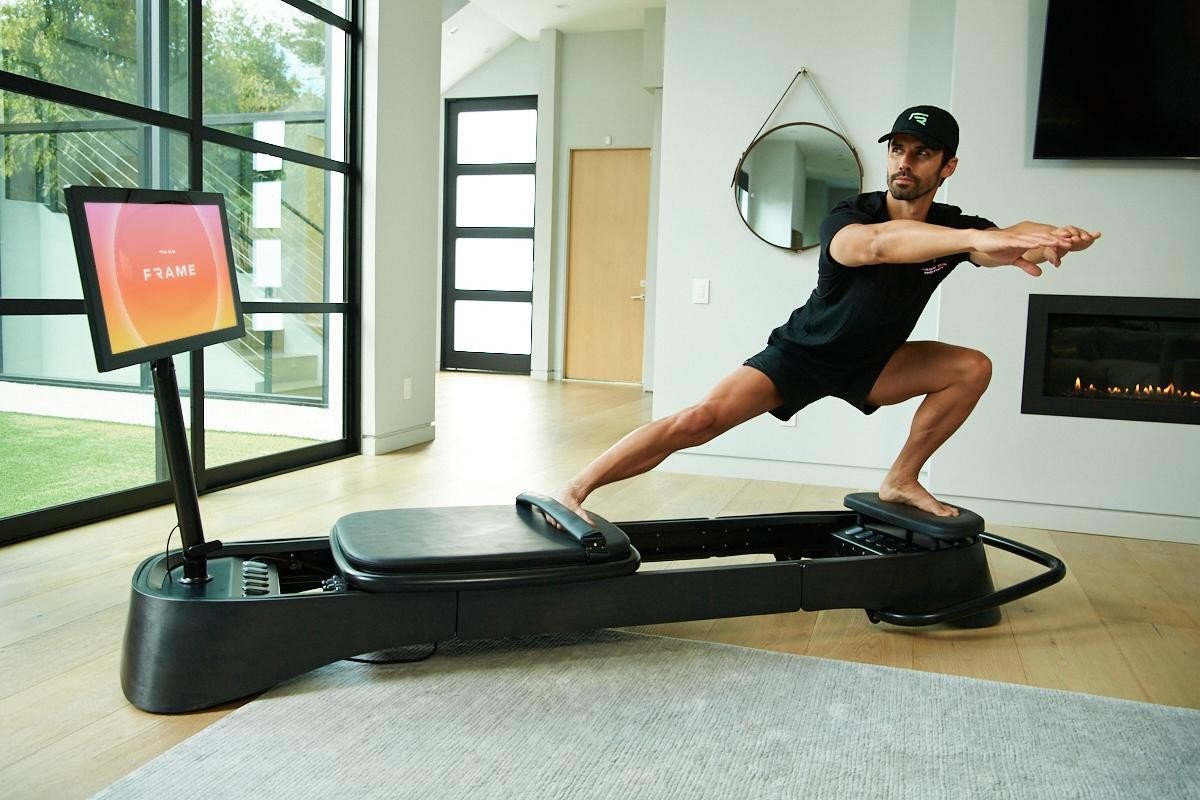
Pilates is known for its ability to combine controlled movements, resistance, flexibility, and body awareness into one balanced exercise routine. While a reformer provides plenty of opportunities for full body training, additional accessories can make workouts more varied and functional. One such accessory is the sitting box, which offers extra support and allows users to explore different exercise positions.
A pilates reformer sitting box is designed to be placed on a compatible Pilates reformer to create an additional platform for seated, lying, kneeling, and supported movements. It can change the way users interact with the equipment and introduce exercise variations that may not be as comfortable or practical using the carriage alone.
Whether someone is new to reformer Pilates or has experience with different training methods, understanding how to use this accessory can help make workouts more versatile. From seated arm exercises to supported stretching, there are several ways to incorporate a sitting box into a regular fitness routine.
What Is a Pilates Reformer Sitting Box?
A Pilates sitting box is a specially designed accessory used with compatible reformer machines. It is generally a padded rectangular platform that sits on the reformer carriage or another manufacturer approved position.
The box provides an elevated and stable surface for performing different movements. Depending on the design and exercise, users may sit, kneel, lie down, or position their bodies over the box.
It can support several types of exercises, including:
- Seated upper body movements
- Back extension exercises
- Supported stretching
- Core strengthening activities
- Kneeling exercises
- Selected balance and coordination movements
The accessory is particularly useful for introducing different body positions into a reformer workout.
1. Seated Arm Strengthening Exercises
One of the simplest ways to use a sitting box is for seated upper body exercises.
The box provides a raised platform that allows users to sit comfortably while performing movements with the reformer’s resistance straps.
These exercises can engage the arms, shoulders, and supporting core muscles.
Some common movements include:
- Seated arm pulls
- Bicep curls
- Shoulder extension movements
- Controlled arm circles
- Seated rowing variations
To perform these exercises, users generally sit upright on the box, maintain a comfortable posture, and hold the straps according to the exercise instructions.
The goal is to move the arms in a controlled manner without leaning excessively or allowing the shoulders to become tense.
2. Improving Core Stability
The sitting box can also be incorporated into exercises that challenge abdominal engagement and trunk stability.
When users sit or kneel on the box, they may need to maintain an upright position while performing controlled movements.
This encourages awareness of body alignment and core engagement.
Some possible exercise variations include:
- Seated arm movements with resistance
- Controlled trunk rotations
- Supported balance exercises
- Seated forward reaching
- Selected stability movements
The difficulty of these exercises depends on the movement, resistance, and user’s experience.
Beginners should start with simple variations before progressing to more challenging movements.
3. Supported Back Extension Exercises
Back extension exercises are another way to use a sitting box during reformer training.
The box can provide support for selected prone positions, allowing users to perform controlled movements involving the upper back and supporting muscles.
Depending on the exercise and equipment configuration, users may lie face down over the box and perform gentle upper body extensions.
These movements can help develop awareness of spinal positioning and strengthen supporting muscles when performed correctly.
Important points to remember include:
- Keep movements slow and controlled.
- Avoid forcing the back into an uncomfortable position.
- Maintain a comfortable neck position.
- Follow appropriate exercise instructions.
- Stop if any movement causes pain.
People with existing back problems should seek professional guidance before attempting back extension exercises.
4. Practising Seated Stretching Movements
Flexibility is an important part of a balanced Pilates routine. The sitting box can provide an elevated surface for selected stretches that involve the hips, back, and shoulders.
Depending on the user’s flexibility and the exercise being performed, the box may support:
- Seated side stretches
- Gentle forward stretches
- Supported shoulder stretches
- Controlled spinal mobility exercises
- Selected hip mobility movements
The elevated position can make certain movements more accessible.
However, stretching should always remain comfortable. Avoid bouncing or forcing the body beyond its natural range of motion.
5. Adding Variety to Kneeling Exercises
Kneeling exercises can be performed with the sitting box to introduce different body positions during reformer workouts.
Depending on the machine’s design, users may kneel on the box while performing selected arm or stability movements.
These exercises can involve the shoulders, arms, back, and core.
Some variations include:
- Kneeling arm pulls
- Supported upper body movements
- Controlled reaching exercises
- Selected resistance strap exercises
Kneeling positions should be comfortable and stable. Users can use appropriate padding and should follow the manufacturer’s guidance for placing the box.
6. Supporting Hip and Leg Mobility
The sitting box may also help with certain lower body mobility exercises.
Its elevated platform can provide support while users practise controlled hip movements or selected leg stretches.
Depending on the exercise, users may explore:
- Supported hip stretches
- Seated leg positioning exercises
- Gentle side stretches
- Controlled leg movements
- Selected mobility exercises
These variations can add movement diversity to a Pilates session.
The exact exercises available depend on the reformer design, box dimensions, and positioning instructions.
7. Performing Seated Spine Mobility Exercises
Maintaining comfortable spinal movement is an important part of many Pilates routines.
The sitting box can provide a stable surface for seated movements that focus on controlled spinal articulation.
Some exercise variations may involve:
- Gentle seated forward flexion
- Controlled spinal extension
- Side bending
- Seated rotation
- Coordinated breathing and movement
During these exercises, users should avoid forcing their movements. The aim is to develop controlled mobility rather than achieving the deepest possible stretch.
8. Using the Box for Balance Training
Balance exercises can help improve body awareness and coordination.
A sitting box can introduce different support positions that challenge users to maintain stability while performing controlled movements.
For example, some exercises may involve sitting upright while moving the arms or maintaining a kneeling position during selected resistance movements.
These activities may engage the core and other supporting muscles.
For safety, users should avoid unstable positions unless they have received proper instruction and the exercise is appropriate for their experience level.
9. Introducing Different Workout Positions
One major advantage of a sitting box is that it changes the available exercise positions on a reformer.
Without additional accessories, many users focus primarily on exercises performed while lying or sitting directly on the carriage.
A box can introduce a raised platform for additional variations.
These may include:
- Sitting upright
- Kneeling
- Lying face down
- Supported forward reaching
- Selected side positioning
This variety can make reformer sessions more interesting while allowing users to explore different movement patterns.
10. Combining the Sitting Box with Resistance Straps
The sitting box can be used alongside compatible resistance straps to create additional upper and lower body exercise variations.
For example, seated rowing movements can engage the back and arms, while selected arm pulls can challenge shoulder stability.
When combining the box with straps, users should check that the equipment is positioned correctly and that the resistance attachments are secure.
A few useful practices include:
- Check strap condition before exercising.
- Select appropriate resistance.
- Maintain a stable sitting position.
- Avoid sudden pulling movements.
- Follow the equipment manufacturer’s instructions.
Correct setup is important because resistance exercises involve repeated tension on the straps and attachment points.
11. Making Workouts More Adaptable for Different Fitness Levels
The sitting box can support different exercise variations, making it a useful accessory for users with varying levels of Pilates experience.
Beginners may use it for simple seated movements and supported stretches. More experienced users may explore additional exercise combinations under professional guidance.
For example:
Beginners can focus on:
- Basic seated arm movements
- Gentle stretching
- Simple posture exercises
- Controlled breathing
- Supported mobility activities
Intermediate users may explore:
- Seated resistance exercises
- More varied spinal movements
- Controlled kneeling exercises
- Additional coordination movements
Experienced users may practise:
- Advanced exercise combinations
- More challenging resistance variations
- Complex movement patterns
- Greater coordination and stability challenges
Progression should always depend on correct technique and individual ability rather than the desire to perform difficult exercises quickly.
12. Improving Workout Variety and Consistency
Repeating the same exercises every day can sometimes make a fitness routine feel less engaging.
Introducing different equipment positions and movement variations can make Pilates sessions more interesting.
The sitting box allows users to explore exercise combinations that complement their regular reformer routine.
For example, a session might include:
- Basic reformer footwork
- Seated arm exercises using the box
- Supported stretching
- Controlled core movements
- Gentle mobility exercises
The routine can be adjusted according to fitness goals and available training time.
Variety can support long term interest in exercise, but it is important to maintain a balanced schedule with adequate recovery.
Important Safety Tips When Using a Reformer Sitting Box
Although the sitting box is a simple accessory, correct placement and positioning are essential.
Before beginning a workout, consider the following safety practices:
- Make sure the box is compatible with your reformer.
- Position it according to the manufacturer’s instructions.
- Check that it sits securely on the equipment.
- Inspect the padding and surface for damage.
- Use suitable resistance settings.
- Avoid unsupported advanced movements without instruction.
- Keep the surrounding workout area clear.
- Stop if you experience pain or unusual discomfort.
People with injuries, balance difficulties, or existing medical concerns should consult a qualified professional before introducing new exercises.
How to Maintain Your Pilates Sitting Box
Regular care can help preserve the condition and comfort of the accessory.
Since the box is used for different body positions, its surface should be kept clean and inspected periodically.
Some useful maintenance practices include:
- Wipe the surface after workouts.
- Use cleaning products recommended by the manufacturer.
- Check the upholstery for tears or damage.
- Inspect the base for structural problems.
- Store the box in a dry and suitable location.
- Avoid placing excessive weight on it.
- Follow the manufacturer’s care instructions.
Proper storage and maintenance can help extend its useful life.
Frequently Asked Questions
1. What is a Pilates reformer sitting box used for?
A sitting box is an accessory that provides an additional platform for different reformer exercises. It can support seated, kneeling, lying, stretching, and selected strengthening movements.
2. Can beginners use a reformer sitting box?
Yes. Beginners can use it for simple seated movements and supported stretches. Learning the correct positioning and exercise technique is important before attempting advanced variations.
3. Does a sitting box help with core exercises?
Yes. Certain exercises performed on the box require users to maintain a stable body position while moving their arms or legs. These movements can engage the core and supporting muscles.
4. Can I perform stretching exercises using a sitting box?
Yes. The elevated platform can support selected stretches involving the back, shoulders, and hips. Movements should remain controlled and comfortable.
5. Is a sitting box compatible with every Pilates reformer?
No. Compatibility depends on the dimensions and design of the equipment. Always check the manufacturer’s recommendations before purchasing an accessory.
6. What exercises can be performed using a sitting box?
Depending on the equipment and training experience, users may perform seated arm pulls, supported stretching, kneeling exercises, spinal mobility movements, and selected core strengthening activities.
7. How should I clean a Pilates sitting box?
Wipe the surface with a suitable cleaning product recommended by the manufacturer. Avoid harsh chemicals that could damage the upholstery or padding.
8. Is a sitting box necessary for Pilates workouts?
No. Many reformer exercises can be performed without one. However, a sitting box can introduce additional exercise positions and movement variations.
Final Thoughts
A sitting box is a useful accessory for individuals who want to explore more exercise variations during reformer Pilates sessions. It provides an additional platform for seated movements, supported stretches, kneeling exercises, and selected strengthening activities.
Understanding the different ways to use a Pilates reformer sitting box can help users make better use of their existing equipment while adding variety to their workouts. However, selecting compatible accessories and following correct positioning instructions are important for safe and comfortable training.
Whether you are building a home workout routine or expanding your existing Pilates practice, the sitting box can offer additional flexibility in how you approach different movements. With proper guidance, regular practice, and suitable equipment, it can become a practical addition to a balanced Pilates routine.