A bathroom is one of the most frequently used spaces in any home, making its design and functionality important for everyday comfort. Over time, outdated fixtures, worn surfaces, limited storage, poor ventilation, and inefficient layouts can affect how well the space meets household requirements. Renovating a bathroom provides an opportunity to address these issues while creating a more attractive and practical environment.
For homeowners considering bathroom renovations Port Macquarie, careful planning is particularly important. Coastal conditions, moisture exposure, material durability, and ventilation requirements should all be considered when selecting products and finalising the design.
A successful renovation does not necessarily require a complete change to the existing layout. Sometimes, replacing outdated fittings, improving lighting, updating tiles, and introducing better storage can make a significant difference. Larger projects may involve changing the room arrangement, upgrading plumbing, or creating a more spacious shower and vanity area.
Whether you want a modern bathroom, a comfortable family space, or a design that supports long term accessibility, the right renovation approach can improve the appearance and functionality of your home.
Assess Your Existing Bathroom Before Renovating
Before selecting tiles, fittings, or colours, evaluate the current condition of your bathroom. Understanding what works and what needs improvement will help establish a clear renovation plan.
Start by identifying the main problems affecting the space.
Common bathroom issues include:
- Outdated tiles and wall finishes.
- Leaking taps and plumbing fixtures.
- Poor water drainage.
- Insufficient storage.
- Inadequate lighting.
- Limited ventilation.
- Damaged grout and sealant.
- An inconvenient shower or vanity layout.
- Lack of accessible features.
It is also important to inspect areas that may not be immediately visible, such as plumbing connections, waterproofing, and the condition of the flooring beneath existing finishes.
For example, recurring moisture problems may indicate inadequate ventilation, damaged waterproofing, or plumbing leaks. These issues should be investigated before cosmetic improvements begin.
Creating a list of priorities will help you determine the scope of the renovation and allocate your budget more effectively.
Choose a Bathroom Layout That Makes Better Use of Space
The layout has a major influence on how comfortable and functional a bathroom feels. Even a relatively small room can become more practical when fixtures are positioned thoughtfully.
Before changing the layout, consider the available floor area, existing plumbing connections, door placement, and movement between different bathroom zones.
Some practical layout ideas include:
Separate wet and dry areas: Keeping the shower area separate from the vanity and toilet can help manage water exposure and improve everyday convenience.
Wall mounted vanities: These can create a more open appearance and make floor cleaning easier.
Walk in showers: A well designed walk in shower can create a spacious appearance and reduce the need for bulky enclosures.
Corner storage: Using corners effectively can provide additional storage without taking up unnecessary floor space.
Repositioned fixtures: Changing the location of selected fittings may improve movement and make better use of the available area.
A well planned layout should provide sufficient clearance around the toilet, vanity, shower, and entrance.
If plumbing fixtures need to be relocated, discuss the structural and plumbing implications with the professionals involved before finalising the design.
Select Tiles That Complement Your Bathroom Design
Tiles contribute significantly to the appearance and practicality of a bathroom. They protect surfaces from moisture while helping establish the overall design style.
The right tile selection should balance appearance, durability, cleaning requirements, and slip resistance.
Some popular design options include:
Large Format Tiles
Large format tiles can create a clean and spacious appearance because they reduce the number of grout lines across a surface.
They are commonly used on bathroom floors and walls to create a consistent finish.
However, installation requires suitable surface preparation and professional workmanship to achieve an even result.
Natural Stone Look Tiles
Natural stone look tiles provide the appearance of materials such as marble, limestone, or travertine without necessarily requiring the same maintenance as natural stone.
They can introduce texture and visual interest into both modern and traditional bathroom designs.
See also: How Snap-On Dentures Give You Better Stability Without Traditional Dentures?
Neutral Coloured Tiles
Colours such as white, beige, grey, and soft earthy tones can create a calm and timeless appearance.
Neutral surfaces can also make it easier to update bathroom accessories and decorative elements in the future.
Textured and Feature Tiles
Feature tiles can be used to highlight selected areas, such as the shower wall, vanity backdrop, or a decorative section of the room.
They provide an opportunity to introduce colour and character without making the entire space visually busy.
When choosing floor tiles, consider their slip resistance and suitability for wet areas. The finish should be appropriate for the intended use of the surface.
Upgrade Your Shower for Everyday Comfort
The shower is one of the most frequently used features in a bathroom. Improving its design can make daily routines more comfortable while contributing to the overall appearance of the space.
Modern shower designs focus on convenience, easy cleaning, and practical use of available room.
Some options to consider include:
- Walk in shower enclosures.
- Frameless glass screens.
- Recessed shower niches.
- Adjustable showerheads.
- Handheld shower fittings.
- Easy to clean wall finishes.
- Suitable drainage systems.
A frameless glass screen can create an open appearance and allow more natural or artificial light to travel through the bathroom.
Recessed niches are another practical addition because they provide storage for shampoo, soap, and other shower products without requiring external shelving.
For households with older occupants or people with mobility limitations, a level entry shower and suitable support fittings may improve accessibility.
The shower design should also account for proper waterproofing, drainage, and ventilation.
Install a Functional Vanity and Storage System
Bathroom storage is essential for keeping the space organised. Without suitable storage, countertops can become crowded with personal care products, cleaning supplies, and everyday essentials.
A new vanity can improve both the appearance and functionality of the bathroom.
When choosing a vanity, consider:
Available space: Select a size that provides useful storage without restricting movement.
Drawer configuration: Drawers can make everyday items easier to access than deep cupboards.
Countertop material: Choose a surface that is durable and suitable for regular moisture exposure.
Basin design: Select a basin that complements the vanity while providing convenient use.
Tap placement: Consider the position of the tap in relation to the basin and available countertop area.
Storage organisation: Include compartments for toiletries, towels, and cleaning products.
Wall mounted vanities are useful in many modern designs because they create an open visual effect. Freestanding options may provide additional enclosed storage.
Mirrored cabinets can also combine storage with a functional bathroom feature.
Improve Lighting for a Brighter Bathroom
Lighting can change how a bathroom looks and feels. Poor lighting may make everyday activities inconvenient, while a well planned lighting arrangement can improve visibility and create a more welcoming atmosphere.
A combination of general, task, and feature lighting can provide a balanced result.
Consider the following options:
- Ceiling lights for overall illumination.
- Mirror lighting for grooming and personal care.
- Recessed lighting for a clean ceiling appearance.
- Feature lighting around selected design elements.
- Suitable night lighting for convenient movement.
Lighting near mirrors should provide clear illumination without creating excessive shadows.
It is also important to select electrical fixtures suitable for their intended bathroom location. Wet areas have specific electrical safety requirements, and installation should be completed by a licensed electrician.
Natural light can also improve the bathroom environment. Where practical, consider windows, skylights, or other suitable openings that introduce daylight while maintaining privacy.
Focus on Proper Ventilation and Moisture Control
Bathrooms are regularly exposed to steam, water, and humidity. Without suitable ventilation, moisture can accumulate on walls, ceilings, mirrors, and other surfaces.
Over time, excess moisture may contribute to mould growth, damaged paint, deteriorating grout, and unpleasant odours.
Ventilation should therefore be considered an essential part of any renovation.
Some useful improvements include:
Exhaust fans: A suitable exhaust fan can help remove humid air from the bathroom.
Operable windows: Windows provide opportunities for natural ventilation when weather and privacy conditions allow.
Moisture resistant finishes: Select appropriate materials for areas exposed to regular moisture.
Proper waterproofing: Ensure wet areas have suitable waterproofing systems installed according to applicable requirements.
Air circulation: Avoid design arrangements that create poorly ventilated corners or enclosed damp spaces.
For coastal homes, moisture management deserves additional attention because environmental humidity can affect indoor surfaces and materials.
An effective ventilation arrangement helps maintain a more comfortable bathroom and protects the condition of the renovated space.
Select Fixtures That Balance Style and Practicality
Bathroom fixtures influence both the overall design and the convenience of daily use.
Replacing outdated taps, shower fittings, toilets, and accessories can make an older bathroom feel more modern without changing every structural element.
Some popular fixture options include:
- Matte black tapware.
- Brushed nickel fittings.
- Chrome shower fixtures.
- Water efficient toilets.
- Modern countertop basins.
- Wall mounted mixers.
- Contemporary towel rails.
- Concealed shower storage.
The choice should complement the bathroom’s overall colour scheme and material selection.
It is also worth considering how easy the fittings are to clean and maintain.
Water efficient products can help reduce household water consumption while providing practical performance.
Before selecting fixtures, check their specifications, compatibility with existing plumbing, installation requirements, and warranty information.
Consider Accessibility and Safety Features
A bathroom should be comfortable and safe for everyone in the household. Renovations provide an opportunity to incorporate accessibility features that support people with different mobility requirements.
These improvements can also be useful for homeowners who want their property to remain practical as their needs change.
Some features to consider include:
- Slip resistant floor finishes.
- Level entry showers.
- Grab rails in suitable locations.
- Accessible shower controls.
- Lever operated taps.
- Conveniently positioned towel rails.
- Adequate movement space.
- Suitable toilet heights.
- Well illuminated pathways.
A handheld showerhead can also provide additional convenience.
If accessibility is a priority, the design should be based on the intended occupant’s requirements. An occupational therapist or accessibility consultant may provide useful guidance about suitable dimensions and fittings.
It is better to consider these features during the planning stage rather than attempting to fit them into an unsuitable layout later.
Choose Durable Materials for Coastal Conditions
Properties in coastal locations may experience exposure to salt air, humidity, and changing weather conditions. Although bathrooms are indoor spaces, the surrounding environment can influence ventilation, moisture management, and material maintenance.
When planning bathroom renovations Port Macquarie homeowners should consider materials that are suitable for regular moisture exposure and everyday use.
Some important material considerations include:
Quality waterproofing products: Proper waterproofing is essential in showers and other designated wet areas.
Suitable tile finishes: Choose tiles appropriate for the intended surface and level of water exposure.
Corrosion resistant fittings: Select suitable materials and finishes for taps, shower fittings, and accessories.
Moisture resistant cabinetry: Vanity units and storage systems should be appropriate for bathroom conditions.
Durable sealants and grout: Correct installation and maintenance help protect joints and connections.
Ventilation equipment: Choose suitable products that support effective moisture removal.
Material selection should be based on product specifications rather than appearance alone.
Quality installation is equally important because even good materials may not perform as expected if they are incorrectly fitted.
Create a Relaxing and Modern Bathroom Atmosphere
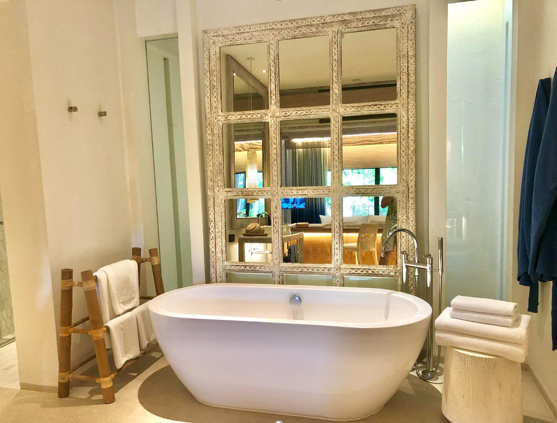
A bathroom can be designed as more than a functional space. With suitable lighting, colours, materials, and accessories, it can become a comfortable area for relaxation.
Modern bathroom designs often use simple finishes, natural textures, and uncluttered arrangements.
Some ideas include:
- Soft neutral colour palettes.
- Natural timber look cabinetry.
- Large mirrors.
- Warm lighting.
- Minimalist tapware.
- Decorative wall finishes.
- Indoor plants suitable for humid environments.
- Neatly organised storage.
A consistent colour scheme can help create a balanced appearance.
For example, combining light wall tiles with timber look cabinetry and subtle metal finishes can create a warm and contemporary design.
Avoid introducing too many competing patterns or colours in a small bathroom. A simple approach can make the space feel more organised and spacious.
Understand Your Bathroom Renovation Budget
Budget planning helps you decide which improvements are achievable and where to allocate your spending.
The overall cost depends on the size of the bathroom, condition of existing plumbing, selected materials, labour, structural changes, and complexity of the renovation.
Common expenses include:
- Design and planning.
- Demolition and removal of existing materials.
- Plumbing and electrical work.
- Waterproofing.
- Wall and floor tiling.
- Vanity and cabinetry.
- Shower screens and fittings.
- Toilet and basin installation.
- Painting and finishing.
- Waste removal and final cleaning.
A cosmetic renovation may require fewer changes than a complete bathroom reconstruction involving plumbing relocation and structural modifications.
It is important to obtain a detailed quotation that explains the included work and identifies any exclusions.
Set aside a contingency allowance for unexpected problems, especially when renovating older bathrooms where concealed water damage or plumbing issues may be discovered during demolition.
Prioritise essential structural and waterproofing work before spending on decorative features.
Understand the Renovation Process
Knowing the general renovation sequence can help homeowners prepare for the work and understand what happens at each stage.
A typical bathroom renovation may involve:
- Initial consultation and assessment.
- Design planning and material selection.
- Budget preparation and quotation.
- Relevant approvals and documentation.
- Removal of existing fixtures and finishes.
- Plumbing and electrical preparation.
- Surface preparation and waterproofing.
- Wall and floor tiling.
- Installation of the vanity, toilet, and shower fittings.
- Painting, finishing, and final inspections.
The exact sequence may vary depending on the design and construction requirements.
Some renovations may also require changes to plumbing, ventilation, or structural elements.
Before work begins, discuss the estimated timeframe, access arrangements, material deliveries, and how the household will manage without the bathroom during construction.
Choose the Right Professionals for Your Renovation
A successful bathroom renovation depends on proper planning and quality workmanship. Different stages may require plumbers, electricians, waterproofing specialists, tilers, and other qualified trades.
Choosing professionals with relevant experience can help ensure that the work is coordinated and completed according to the agreed specifications.
Before making a decision, consider:
- Experience with similar bathroom projects.
- Relevant licences and qualifications.
- Insurance and warranty arrangements.
- Previous renovation work.
- Material and product recommendations.
- Communication and project management.
- Detailed quotations.
- Estimated project timelines.
Make sure responsibilities are clearly understood before the work starts.
A well organised renovation process helps reduce misunderstandings and gives homeowners a clearer understanding of the work being completed.
Frequently Asked Questions
1. How much does a bathroom renovation cost in Port Macquarie?
The cost depends on the bathroom’s size, existing condition, material selection, labour, plumbing changes, and design complexity. A cosmetic update generally involves different costs from a complete renovation. A detailed quotation is the best way to establish a realistic budget.
2. How long does a bathroom renovation take?
The timeframe depends on the scope of work, material availability, plumbing requirements, waterproofing, tiling, and other installation activities. A complete renovation generally takes longer than replacing selected fixtures and finishes.
3. Do I need approval for a bathroom renovation in Port Macquarie?
Many internal bathroom renovations may not require development consent, but specific work can have additional approval or certification requirements. Structural changes, plumbing, drainage, and waterproofing must comply with applicable regulations. Check the requirements before starting.
4. What is the best flooring for a bathroom?
Tiles with suitable slip resistance are a common bathroom flooring option. The selected product should be appropriate for wet areas, easy to maintain, and compatible with the overall design.
5. How can I make a small bathroom look bigger?
Use light colours, large mirrors, well positioned lighting, wall mounted vanities, and clear glass shower screens. Reducing visual clutter and selecting practical storage can also make a small bathroom feel more spacious.
6. Why is waterproofing important during a bathroom renovation?
Waterproofing helps prevent moisture from entering walls, floors, and adjoining areas. Incorrect or inadequate waterproofing can contribute to water damage, mould growth, and expensive repairs. It should be completed by appropriately qualified professionals in accordance with applicable requirements.
7. What bathroom features are useful for older homeowners?
Level entry showers, grab rails, slip resistant flooring, accessible controls, suitable lighting, and convenient movement space can improve bathroom safety and comfort.
8. Can I renovate my bathroom without changing the plumbing layout?
Yes. Keeping the existing plumbing positions can simplify some renovations and may reduce associated costs. You can still update tiles, fixtures, vanity units, lighting, and shower screens without relocating every plumbing connection.
9. What materials are suitable for bathrooms in coastal areas?
Choose materials and fittings designed for regular moisture exposure. Suitable tiles, quality waterproofing systems, moisture resistant cabinetry, appropriate ventilation, and corrosion resistant fixtures can help support long term performance.
10. How can I maintain my renovated bathroom?
Clean surfaces regularly, keep the bathroom ventilated, inspect grout and sealant, address plumbing leaks promptly, and follow manufacturer recommendations for fixtures and finishes. Regular maintenance can help preserve the appearance and condition of the renovated space.