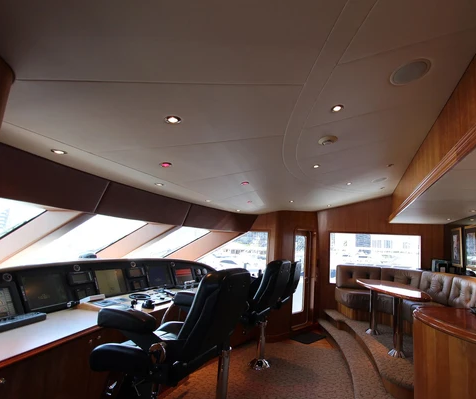
A boat’s cabin ceiling plays an important role in the overall comfort, appearance, and functionality of its interior. Beyond covering the ceiling structure, a headliner can help create a finished look, soften interior surfaces, and contribute to a more welcoming cabin environment. However, marine interiors face conditions that ordinary household materials may not be designed to handle. Humidity, condensation, temperature changes, and limited ventilation can all affect the condition of ceiling coverings over time.
Choosing the right boat headliner fabric helps create an interior that looks refined while meeting the practical demands of marine use. Material weight, flexibility, moisture performance, texture, and installation compatibility should all be considered before making a selection. Understanding these factors makes it easier to choose a headliner that complements the boat’s design and supports long-term cabin use.
What Is Boat Headliner Fabric and Why Does It Matter?
Boat headliner fabric is the material used to cover the interior ceiling of a vessel. It provides a finished surface while concealing underlying panels, wiring, insulation, and structural elements where applicable. The right material should suit the cabin’s environmental conditions, fit the ceiling properly, and maintain its appearance with appropriate care.
Understanding Marine Headliner Materials
Marine headliner materials are selected for their suitability in enclosed boat interiors. They may include vinyl, woven synthetic fabrics, foam-backed materials, and specialised upholstery coverings. Each option has different characteristics relating to flexibility, texture, cleaning, and moisture performance. The best choice depends on the ceiling design and the manufacturer’s product specifications.
The Role of Headliners in Boat Interior Design
Headliners help connect the ceiling with the rest of the cabin’s interior design. Their colour, texture, and finish can influence how spacious, bright, or coordinated the interior feels. A carefully selected covering can complement seating upholstery, wall panels, flooring, and other decorative elements.
See also: Carbon Fiber Boat Shade Pole: Why Material and Construction Matter in Marine Environments
How Headliners Influence Cabin Comfort and Appearance
A well-fitted headliner creates a smoother, more finished ceiling surface. Depending on its construction, it may also contribute to a softer interior feel and help cover hard ceiling panels. Foam-backed materials can provide additional cushioning, although their suitability depends on the application and installation requirements.
Why Marine Environments Require Specialised Materials
Boat cabins can experience condensation, changing humidity levels, and limited airflow. Materials that perform well in residential interiors may not be suitable for these conditions. Marine-specific coverings are available with properties designed for particular environments, making it important to review product specifications rather than selecting fabric based on appearance alone.
Different Types of Boat Headliner Fabric
Headliner materials vary in construction, appearance, and performance. Comparing available options helps identify a covering that suits the cabin’s conditions and desired finish. Consider how the material will be installed, cleaned, and maintained before making a final decision.
Marine-Grade Vinyl Headliner Fabric
Marine-grade vinyl is a practical option for certain cabin ceiling applications. It is available in different colours, textures, and finishes, allowing it to coordinate with various interior styles. Many vinyl products are designed for easier cleaning, but their flexibility, weight, and moisture-related properties vary. Always check whether a specific product is suitable for overhead installation.
Woven Marine Upholstery Fabrics
Woven marine fabrics offer a softer, more traditional textile appearance. Their textures can add visual interest and complement upholstered seating or wall panels. When considering woven materials for headliners, check their backing, weight, cleanability, and suitability for the intended marine environment.
Foam-Backed Headliner Materials
Foam-backed headliner materials combine a decorative outer surface with a layer of foam. This construction can create a cushioned finish and help provide a uniform appearance across suitable ceiling panels. The condition of the foam backing is important because deterioration can affect adhesion and cause the fabric to separate or sag.
Synthetic Fabrics for Marine Cabin Interiors
Synthetic fabrics are available in different constructions and finishes, including options designed for durability and easier maintenance. Their performance depends on the fibre type, backing, treatment, and manufacturing process. Compare resistance to fading, abrasion, staining, and moisture according to the product’s intended use.
Premium Materials for Luxury Yacht Headliners
Premium headliner materials can offer refined textures, coordinated finishes, and a more sophisticated cabin appearance. Some are designed to complement high-quality interior upholstery and custom design details. Consider visual consistency alongside practical requirements such as weight, flexibility, maintenance, and installation compatibility.
Important Features to Look for in Marine Headliner Fabric
Appearance is only one part of choosing a suitable headliner. The material must also work with the conditions inside the cabin and the requirements of overhead installation. Reviewing a few essential characteristics can help narrow down the available options.
Moisture and Humidity Resistance
Moisture resistance is an important consideration because condensation and humidity can affect fabrics, backing materials, and adhesives. Look for products with suitable moisture-related performance and follow the manufacturer’s installation guidance. Proper cabin ventilation is also necessary to reduce the accumulation of dampness.
Mold and Mildew Resistance
Some marine materials are manufactured with properties intended to help resist mould and mildew. However, no fabric should be treated as completely protected from these problems under every condition. Regular cleaning, prompt attention to leaks, and adequate airflow remain important for maintaining a healthy cabin environment.
UV Resistance and Colour Retention
Sunlight entering through cabin windows and hatches can contribute to fading over time. If the ceiling receives significant natural light, consider a product with documented UV resistance and colour-retention performance. Material selection and suitable window protection can help preserve the interior’s appearance.
Lightweight Construction and Flexibility
Headliner fabric needs to be appropriate for overhead installation. Excessive weight may create additional demands on the adhesive or supporting surface, while insufficient flexibility can make fitting around curves and corners difficult. Choose a material that suits the ceiling’s shape and installation method.
Durability, Texture, and Ease of Cleaning
A durable headliner should maintain its surface and appearance with normal use and suitable care. Consider the texture, resistance to everyday marks, and cleaning instructions. A material that is difficult to maintain may become less practical in a frequently used cabin. For marine headliner options and interior finishing solutions, explore the collection from Canvas Designers.
Boat Headliner Fabric vs. Residential Ceiling Materials
Boat headliners and residential ceiling coverings serve similar decorative purposes, but their operating conditions can be very different. Marine interiors require careful consideration of moisture, movement, ventilation, and installation methods.
Differences in Environmental Exposure
Residential ceilings generally experience more controlled indoor conditions. Boat cabins may encounter greater humidity fluctuations, condensation, and temperature changes. These differences can influence the performance of fabric, foam backing, and adhesives.
Why Standard Household Fabrics May Not Be Suitable
Standard household fabrics are not necessarily manufactured for marine environments or overhead applications. Their backing and construction may not be appropriate for the conditions inside a vessel. Before using any residential material, verify its suitability for the intended installation and environment.
Marine-Specific Performance and Durability Requirements
Marine headliner materials should be evaluated according to their intended application. Relevant factors include flexibility, weight, cleaning requirements, backing construction, and resistance to environmental exposure. Product specifications provide a more reliable basis for comparison than appearance or general material descriptions.
Choosing Materials for Long-Term Cabin Use
Long-term suitability depends on both the material and the conditions in which it is installed. Consider the boat’s ventilation, sunlight exposure, maintenance routine, and ceiling design. Selecting a suitable product and ensuring proper installation can help reduce premature deterioration.
Signs Your Boat Headliner Needs Replacement
Headliner damage can develop gradually, but visible changes often indicate that the material or its supporting components need attention. Identifying these signs early can help determine whether a repair is practical or a complete replacement is more appropriate.
Sagging or Detached Ceiling Fabric
Loose or sagging fabric is one of the clearest signs of headliner deterioration. It may result from adhesive failure, damaged backing, moisture exposure, or ageing materials. If the covering has separated across a large area, replacing it may provide a more consistent finish.
Water Stains and Moisture Damage
Discolouration, water marks, and damp patches may indicate a leak or condensation problem. The source of moisture should be identified and corrected before installing new fabric. Otherwise, the replacement material may experience similar damage.
Visible Mold, Mildew, and Odours
Visible spots, persistent musty smells, or discoloured surfaces may point to moisture-related problems. The affected area should be assessed, and underlying dampness should be addressed before deciding on a repair or replacement.
Fading, Discolouration, and Surface Deterioration
Sunlight, regular use, and cleaning products can gradually affect a headliner’s appearance. Fading, surface cracking, thinning, and stubborn stains may indicate that the covering is no longer in good condition.
Damaged Foam Backing and Adhesive Failure
Foam backing can deteriorate over time, affecting how well the fabric remains attached to the ceiling. Powdery foam residue, uneven surfaces, and widespread separation are signs that the material may need replacement rather than a simple surface repair.
How to Choose the Best Boat Headliner Fabric
Selecting the right material involves balancing design preferences with practical requirements. Consider the cabin layout, ceiling condition, installation method, and expected maintenance before choosing a product.
Considering Your Boat’s Interior Design
Start by reviewing the existing cabin finishes, including seating, wall panels, flooring, and trim. The headliner should complement these elements without making the interior feel visually crowded. A coordinated finish can help create a more consistent appearance.
Selecting Suitable Colours and Textures
Lighter colours can help a compact cabin feel brighter, while subtle textures can add depth without overwhelming the space. Choose a finish that suits the interior’s lighting and other materials. Consider how easily the selected colour may show marks or discolouration.
Evaluating Fabric Weight and Flexibility
Check the material’s weight and flexibility, particularly when the ceiling includes curves, corners, or recessed sections. A suitable fabric should be manageable during installation and compatible with the supporting surface.
Understanding Installation and Adhesive Compatibility
Not every fabric works with every adhesive or ceiling substrate. Confirm that the material and adhesive are compatible and follow the manufacturer’s instructions for preparation, application, and curing. This is particularly important for overhead installations.
Balancing Material Quality, Appearance, and Maintenance
A suitable headliner should meet the cabin’s functional requirements while matching the desired design. Compare material specifications, expected maintenance, and installation needs rather than focusing only on initial appearance or cost.
Professional Boat Headliner Replacement and Installation
Professional installation can help achieve an even, secure finish, particularly when the ceiling includes complex shapes or existing damage. The process generally involves inspecting the surface, removing unsuitable materials, preparing the substrate, and fitting the new covering carefully.
Inspecting Existing Ceiling Panels and Surfaces
The ceiling should be checked for damaged panels, moisture, loose components, and areas that may affect adhesion. Any underlying problems should be addressed before new material is installed.
Removing Damaged Headliner Materials
Old fabric, deteriorated foam, and remaining adhesive may need to be removed. Careful removal helps expose the supporting surface and makes it easier to assess its condition.
Preparing the Surface for New Fabric
The ceiling surface should be clean, dry, and suitable for the selected adhesive. Repairs or additional preparation may be necessary if the substrate is uneven or damaged.
Precision Cutting and Professional Installation
Accurate measurements and cutting help ensure that the fabric fits the ceiling properly. During installation, the material needs to be positioned carefully to minimise wrinkles, loose edges, and uneven tension.
Achieving a Clean and Consistent Interior Finish
Attention to corners, seams, edges, and openings contributes to a refined result. Consistent fitting helps the new headliner complement the rest of the cabin rather than appearing like a separate addition.
How to Maintain Boat Headliner Fabric
Regular maintenance helps preserve the headliner’s appearance and condition. Cleaning methods should always match the material, and moisture issues should be addressed promptly to avoid damage to the fabric or its backing.
Cleaning Marine Headliner Materials Safely
Use cleaning products recommended for the specific fabric and avoid excessive moisture when cleaning overhead surfaces. Test products on an inconspicuous area first, and follow the manufacturer’s instructions to prevent discolouration or damage.
Managing Cabin Humidity and Ventilation
Allow fresh air to circulate through the cabin when possible. Check for leaks and condensation, and avoid leaving damp materials against the headliner. Good ventilation can help reduce moisture accumulation.
Preventing Stains and Moisture Accumulation
Address spills, marks, and damp areas promptly using suitable cleaning methods. Keep ceiling surfaces dry and investigate recurring stains rather than repeatedly cleaning the visible area without identifying the cause.
Recognising Early Signs of Fabric Deterioration
Inspect the headliner periodically for loose edges, sagging, fading, stains, and changes in texture. Early attention can help establish whether a local repair is possible or a broader replacement is necessary.
Frequently Asked Questions
What is the best fabric for boat headliners?
The best option depends on the cabin environment, ceiling design, and desired finish. Marine-grade vinyl, woven marine fabrics, and foam-backed materials are common choices. Compare their specifications for weight, flexibility, moisture performance, and maintenance.
Can regular upholstery fabric be used for boat headliners?
Not all regular upholstery fabrics are suitable. Residential materials may lack the construction or environmental performance required for marine applications. Check the manufacturer’s specifications before selecting any fabric for overhead use.
Why does boat headliner fabric start sagging?
Sagging can result from deteriorating foam backing, adhesive failure, moisture exposure, or ageing materials. Identifying the underlying cause is important before repairing or replacing the covering.
How often should boat headliner fabric be replaced?
There is no fixed replacement schedule. The timing depends on material quality, installation, sunlight exposure, humidity, and maintenance. Replace the covering when deterioration affects its appearance, attachment, or condition.
Can damaged boat headliner fabric be repaired?
Minor damage or a small area of separation may sometimes be repairable. Widespread sagging, deteriorated backing, or extensive moisture damage may require full replacement. The condition of the underlying ceiling should also be assessed.
Conclusion
Choosing the right boat headliner fabric is essential for creating a cabin that looks refined, feels comfortable, and suits the demands of a marine environment. Material type, weight, flexibility, moisture performance, and adhesive compatibility all influence the quality of the finished installation. Regular inspection, proper ventilation, and suitable cleaning can also help maintain the headliner’s appearance over time.
Consider the material and finish that best suit your cabin, and contact the team to discuss your boat headliner requirements.