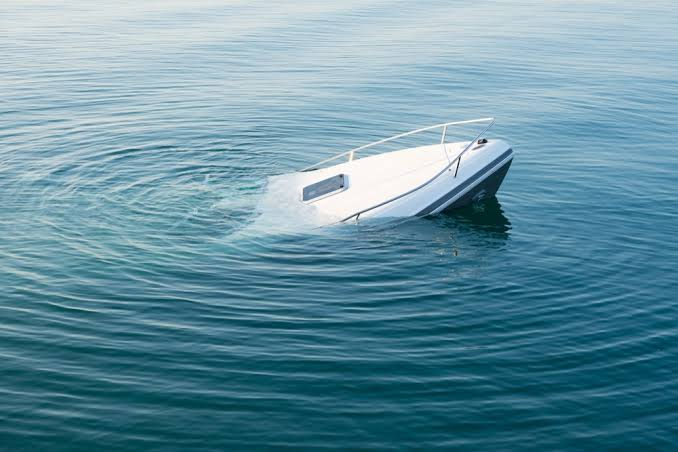
Spending time on the water is a popular way to relax, enjoy outdoor activities, and create memorable experiences with family and friends. However, boating accidents can happen unexpectedly and may result in serious injuries, financial losses, and emotional stress. When a collision, equipment failure, or unsafe behavior causes harm, working with a boating accident lawyer can help injured individuals understand their legal options and take steps to protect their rights.
Unlike some other types of accidents, boating incidents often involve unique circumstances, including waterway regulations, operator responsibilities, and complex liability questions. Victims may need to determine what caused the accident, who was responsible, and how to recover compensation for their losses.
Common Causes of Boating Accidents
5280 Injury Law understands that boating accidents can occur for many different reasons, and identifying the cause is an important part of understanding a potential injury claim.
Some common causes of boating accidents include:
Operator Negligence
Boat operators are responsible for following safety rules and operating their vessels carefully. Speeding, reckless maneuvers, distracted operation, or failing to maintain proper awareness can increase the risk of accidents.
Alcohol or Drug Impairment
Operating a boat while under the influence can significantly affect judgment, coordination, and reaction time. Impaired operation is a major factor in many preventable water-related accidents.
Lack of Experience
Some accidents happen because operators are unfamiliar with boating rules, navigation procedures, or handling specific types of watercraft.
Equipment Failure
Mechanical problems, defective parts, or inadequate maintenance may contribute to accidents. In some cases, responsibility may extend beyond the boat operator.
Unsafe Conditions
Poor weather, crowded waterways, inadequate signage, and hazardous conditions can also contribute to collisions and injuries.
Understanding the circumstances behind an accident helps determine what evidence may be needed to support a claim.
Types of Injuries Commonly Caused by Boating Accidents
Boating accidents can lead to severe injuries because victims may experience direct impact, falls, drowning risks, or contact with moving equipment.
Common injuries include:
- Broken bones
- Head injuries
- Spinal injuries
- Lacerations
- Burns
- Drowning-related injuries
- Soft tissue injuries
- Traumatic brain injuries
Some injuries may require immediate emergency care, while others may create long-term medical challenges. Victims may face hospital visits, rehabilitation, ongoing treatment, and changes to their daily activities.
Understanding the full impact of an injury is important when evaluating potential compensation.
Steps to Take After a Boating Accident
The actions taken immediately after a boating accident can influence both recovery and the ability to pursue a claim.
Seek Medical Attention
Health and safety should always come first. Even if injuries appear minor, medical evaluation is important because some conditions may not show symptoms right away.
Report the Incident
Depending on the circumstances, boating accidents may need to be reported to appropriate authorities. An official report can provide important details about what happened.
Collect Evidence
If it is safe to do so, document the accident scene by taking photographs or videos of:
- The boats involved
- Damage to equipment
- Water conditions
- Weather conditions
- Safety equipment
- Visible injuries
Gather Witness Information
Passengers, nearby boat operators, and other witnesses may provide valuable information about how the accident occurred.
Avoid Making Statements About Fault
Accidents are often confusing in the immediate aftermath. Avoid making assumptions about responsibility before all facts are reviewed.
See also: Assembly Services for Business: Why Professional Solutions Improve Workplace Efficiency
Why Evidence Is Important in Boating Injury Claims
Proving what happened during a boating accident often requires detailed evidence. Unlike accidents that occur on public roads, water-based incidents may involve different types of documentation.
Useful evidence may include:
- Accident reports
- Photographs
- Video recordings
- Witness statements
- Medical records
- Boat maintenance documents
- Operator information
Preserving evidence early can help create a clearer understanding of the accident.
For example, weather conditions can change quickly, physical evidence may disappear, and witness memories may become less reliable over time. Taking action promptly helps protect important information.
Determining Liability After a Boating Accident
One of the biggest challenges after a boating accident is determining who may be responsible.
Liability may depend on several factors, including:
Operator Actions
Investigators may review whether the boat operator followed safety regulations and operated the vessel responsibly.
Equipment Maintenance
If a mechanical failure contributed to the accident, maintenance records and equipment inspections may become important.
Multiple Parties
In some situations, more than one party may contribute to an accident, including boat owners, manufacturers, rental companies, or other operators.
Applicable Regulations
Boating laws and waterway rules may influence how responsibility is determined.
Because liability can involve multiple factors, reviewing all available information is essential.
Managing Medical Bills and Financial Losses
After a boating accident, victims often face unexpected financial challenges.
Expenses may include:
- Emergency treatment
- Hospital stays
- Surgery
- Rehabilitation
- Medication
- Follow-up appointments
- Lost income
Serious injuries may prevent individuals from returning to work or participating in normal activities.
A complete evaluation of losses considers not only immediate expenses but also future costs related to recovery and long-term effects.
How Insurance Companies Handle Boating Accident Claims
Insurance coverage for boating accidents can involve complicated questions. Insurance providers may review accident details, available evidence, medical documentation, and policy terms before determining compensation.
Some common challenges include:
- Disagreements about fault
- Questions regarding injury severity
- Delays in claim decisions
- Settlement offers that may not reflect total losses
Accident victims should carefully review any settlement offers and understand how they may affect future expenses before making decisions.
The Role of Legal Guidance in Boating Accident Cases
After a boating accident, navigating legal procedures while recovering from injuries can be difficult.
Experienced attorneys can assist by:
- Reviewing accident circumstances
- Explaining legal options
- Gathering supporting evidence
- Communicating with insurance companies
- Evaluating damages
- Protecting important deadlines
Professional guidance allows victims to better understand the process and avoid common mistakes that may affect their claims.
Common Mistakes to Avoid After a Boating Accident
Many accident victims unintentionally make decisions that create challenges later.
Waiting Too Long to Take Action
Delays may make it harder to collect evidence or identify witnesses.
Failing to Document Expenses
Keeping records of medical bills, lost wages, and other costs helps provide a clearer picture of financial losses.
Accepting a Settlement Without Understanding Future Needs
Some injuries require ongoing care, and early settlement offers may not account for future expenses.
Sharing Too Much Information Publicly
Statements shared online may be misunderstood or used out of context during claim evaluations.
Careful decisions after an accident can help protect your ability to seek fair compensation.
Choosing the Right Legal Support
Selecting legal representation after a boating accident requires careful consideration. Victims should look for professionals who understand injury claims and provide clear guidance throughout the process.
Important qualities may include:
- Experience handling accident cases
- Strong communication
- Knowledge of relevant laws
- Attention to detail
- Commitment to client needs
A supportive legal team can help individuals better understand their situation and the available paths forward.
Protecting Your Rights After a Boating Accident
Recovering from a boating accident involves addressing both physical injuries and financial concerns. While medical treatment is often the immediate priority, understanding your legal rights can also play an important role in protecting your future.
Keeping records, following medical recommendations, and learning about available options can help victims make informed decisions.
Every boating accident has different circumstances. The cause of the incident, severity of injuries, available evidence, and insurance coverage can all influence the outcome of a potential claim.
Conclusion
Boating accidents can create significant challenges for victims and their families, from unexpected medical expenses to complicated liability questions. Understanding the causes of accidents, preserving evidence, and knowing your legal options can help you move forward after an injury. A boating accident lawyer can provide guidance throughout the claims process and help you understand the steps available for your situation. If you need assistance reviewing your case and want to discuss your options, Contact our team today to learn how we can help.