
A vehicle’s air conditioning system does much more than keep the cabin cool during Australia’s hot summers. It also improves driving comfort, helps reduce humidity inside the vehicle, and supports better visibility by preventing fogged windows. To achieve reliable performance, every component within the air conditioning system must work together efficiently.
Understanding car aircon parts can help vehicle owners recognise early warning signs of problems, maintain better system performance, and make informed decisions when servicing or repairing their vehicles. Whether you drive daily through city traffic or take long regional road trips, knowing how these parts function can save time, improve comfort, and reduce unexpected breakdowns.
Why Your Vehicle’s Air Conditioning System Matters
Australia experiences a wide range of climates, from humid coastal regions to extremely hot inland areas. A properly functioning air conditioning system offers several important benefits, including:
- Maintaining a comfortable cabin temperature
- Improving driver concentration during long journeys
- Removing excess moisture from the air
- Preventing windscreen fogging
- Supporting passenger comfort throughout the year
Since every component depends on the others, even one worn or damaged part can affect the entire system’s efficiency.
See also: Carpet Washing Service: Why Regular Carpet Care Creates a Healthier Home
The Main Components of an Automotive Air Conditioning System
Modern vehicle air conditioning systems consist of several interconnected parts that circulate refrigerant and regulate cabin temperature.
Air Conditioning Compressor
The compressor is often considered the heart of the system. It compresses refrigerant and moves it throughout the air conditioning circuit.
A healthy compressor ensures:
- Consistent cooling
- Proper refrigerant circulation
- Efficient overall performance
If the compressor begins to fail, drivers may notice reduced cooling, unusual noises, or complete system failure.
Condenser
Located near the radiator, the condenser releases heat absorbed by the refrigerant. Its primary functions include:
- Cooling high-pressure refrigerant
- Converting refrigerant from gas into liquid
- Supporting efficient heat exchange
Blocked airflow or physical damage can reduce condenser performance significantly.
Receiver-Drier or Accumulator
This component removes moisture and contaminants from the refrigerant before it continues through the system. Its responsibilities include:
- Filtering debris
- Absorbing moisture
- Protecting internal components
Replacing this unit during major air conditioning repairs is often recommended.
Expansion Valve or Orifice Tube
The expansion device controls how much refrigerant enters the evaporator. It helps by:
- Regulating refrigerant flow
- Reducing refrigerant pressure
- Maintaining proper cooling efficiency
A faulty expansion valve may cause inconsistent cabin temperatures.
Evaporator
Located inside the dashboard, the evaporator absorbs heat from cabin air. As warm air passes over the evaporator:
- Heat is removed
- Moisture condenses
- Cool air returns through the vents
Dust buildup or leaks can reduce cooling performance.
Supporting Components That Keep Everything Working
Besides the major components, several smaller parts play equally important roles.
Hoses and Pipes
These transport refrigerant between components while withstanding high operating pressures.
Cracked or leaking hoses often result in refrigerant loss and poor cooling performance.
O-Rings and Seals
Small seals prevent refrigerants from escaping at connection points.
Over time, heat and age may cause these seals to deteriorate.
Pressure Switches
Pressure switches monitor refrigerant levels and system pressure.
They help protect the compressor by shutting the system down when pressures become unsafe.
Cabin Air Filter
Although not directly involved with refrigerant circulation, the cabin air filter ensures clean airflow through the evaporator. Replacing it regularly improves airflow and cooling performance.
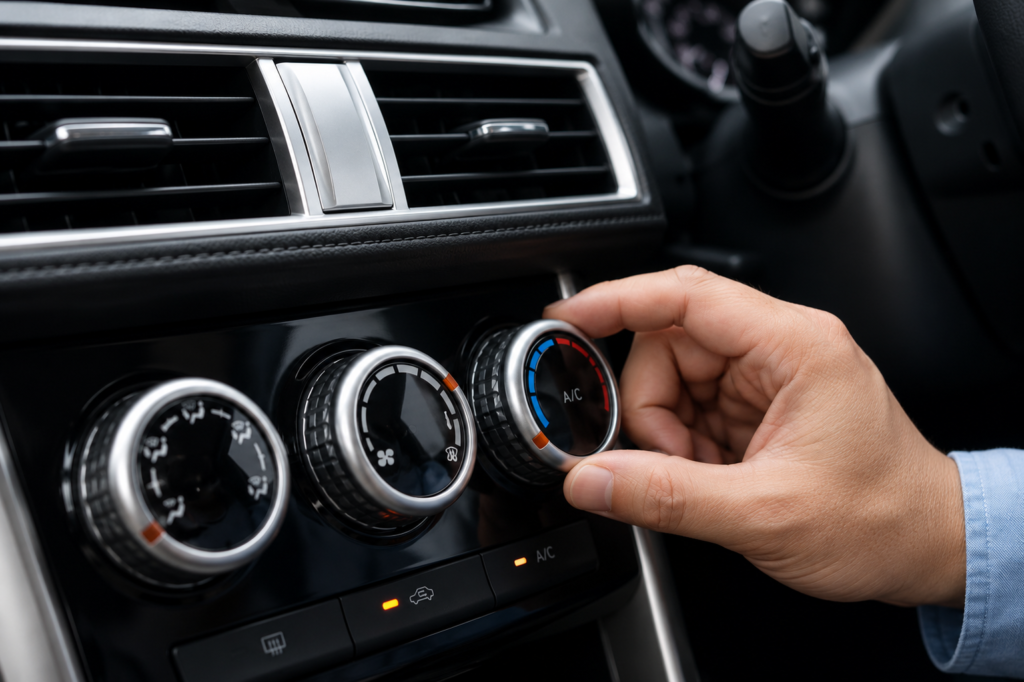
Signs That Components May Need Attention
Vehicle owners should recognise early warning signs before small issues become major repairs.
Common symptoms include:
- Weak airflow
- Warm air from vents
- Unusual clicking or grinding noises
- Water leaking inside the cabin
- Unpleasant odours
- Air conditioning cycling on and off frequently
Prompt diagnosis can often prevent expensive repairs later.
Understanding Refrigerant Flow
The cooling process follows a continuous cycle. The compressor pressurises refrigerant before sending it to the condenser, where heat is released. The refrigerant then passes through the receiver-drier before reaching the expansion valve. Once pressure drops, the refrigerant enters the evaporator, where it absorbs cabin heat. Finally, it returns to the compressor to repeat the cycle. Every stage relies on properly functioning car aircon parts to maintain efficient cooling.
Choosing Quality Replacement Components
When replacing air conditioning components, quality should always be a priority.
Look for parts that offer:
- Manufacturer compatibility
- Durable construction
- Corrosion resistance
- Reliable sealing
- Long service life
- Industry-standard quality testing
Quality replacements often deliver better long-term performance than cheaper alternatives.
Importance of Regular Maintenance
Routine servicing helps identify wear before failures occur.
Professional maintenance may include:
- Refrigerant pressure testing
- Leak detection
- Compressor inspection
- Condenser cleaning
- Cabin filter replacement
- Performance testing
Regular servicing also improves cooling efficiency during Australia’s hottest months.
Common Reasons Air Conditioning Systems Fail
Several issues contribute to reduced cooling performance.
Refrigerant Leaks
Small leaks gradually reduce cooling efficiency while placing additional strain on the compressor.
Moisture Contamination
Water entering the system may create internal corrosion and reduce overall performance.
Electrical Faults
Blown fuses, damaged wiring, or faulty sensors can prevent the system from operating correctly.
Worn Mechanical Components
Over time, bearings, seals, and moving parts naturally wear through regular use.
Routine inspections help detect these issues before complete system failure occurs.
How Climate Affects Air Conditioning Components
Australian weather conditions can place additional stress on automotive air conditioning systems.
High temperatures increase operating pressure, while dusty environments may clog condensers and cabin filters. Coastal areas also expose metal components to moisture and salt, increasing corrosion risk.
Regular maintenance becomes even more important in harsh operating conditions.
Understanding Different Replacement Options
When repairs become necessary, vehicle owners may choose between several options.
Genuine Parts
These match original manufacturer specifications and provide reliable compatibility.
Aftermarket Components
Many quality aftermarket products offer dependable performance while meeting industry standards.
Reconditioned Components
Professionally rebuilt parts can provide a cost-effective solution for certain repairs when completed to high standards.
Selecting the appropriate option depends on vehicle age, repair requirements, and long-term maintenance goals.
How Professional Diagnosis Helps
Modern air conditioning systems rely on specialised diagnostic equipment.
Professional technicians can:
- Measure refrigerant pressures
- Detect hidden leaks
- Test electrical circuits
- Identify compressor faults
- Assess cooling efficiency
Accurate diagnosis helps avoid unnecessary component replacement.
Keeping Your Air Conditioning Performing at Its Best
Simple habits can help extend system life. These include:
- Running the air conditioner regularly, even during winter
- Replacing cabin filters according to service schedules
- Keeping the condenser free from leaves and debris
- Addressing unusual noises immediately
- Having the system inspected before summer
Preventive care helps maximise reliability and cooling performance.
Conclusion
A vehicle’s air conditioning system depends on multiple components working together seamlessly. Understanding how car aircon parts function allows drivers to identify early warning signs, make informed maintenance decisions, and enjoy reliable cooling throughout Australia’s changing seasons.
Whether replacing worn components, scheduling routine servicing, or simply learning more about your vehicle, proper knowledge helps extend system life, improve comfort, and maintain dependable performance for years to come.