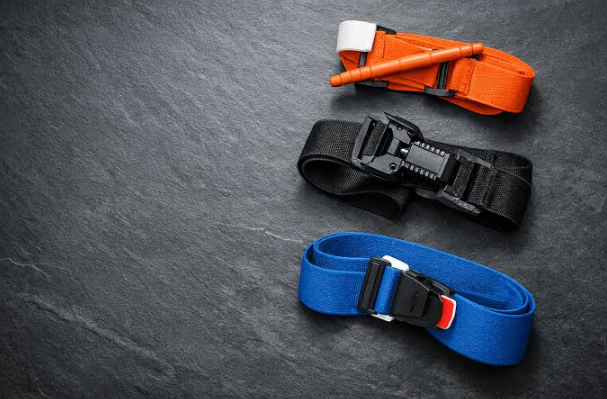
Professional emergency preparedness involves selecting equipment that meets defined requirements and can be maintained consistently. For teams that may respond to severe limb bleeding, tourniquets are important specialized devices. Choosing an appropriate model requires a review of the product’s design, instructions, supporting evidence, and compatibility with recognized training.
Organizations should avoid making decisions based on product names alone. Even when two devices are intended for a similar purpose, their construction, operation, and documentation may differ.
The Importance of Product-Specific Evaluation
A tourniquet should be assessed as an individual medical device. Buyers need to know who manufactures it, which model is being offered, what it is designed to do, and what limitations apply.
A broad category name may include products with substantially different features. Procurement teams should request technical information for the exact model and verify that the documentation matches the quotation and packaging.
This approach is particularly important for institutional purchasing, where many devices may be distributed across vehicles, facilities, or response teams. Consistent product identification supports training, inventory control, and supplier accountability.
See also: Repair or Replace? How to Decide When Your Security Cameras Start Failing
Understanding CAT and SOF-T Tourniquets
CAT and SOF-T are names associated with tourniquet designs that commonly use a windlass mechanism, but their construction and components can differ by model and version. Buyers should not assume that their instructions, materials, or specifications are identical.
A CAT vs SOF-T tourniquet comparison should focus on the exact products under consideration. Review current manufacturer information, intended use, documented features, and any relevant evidence before reaching a purchasing decision.
Examine the construction
Review the manufacturer’s information about the strap, tightening mechanism, retention components, and other design elements. Avoid inferring strength or durability from appearance alone.
Review instructions
Each device should have clear instructions and warnings. Confirm that the intended users can receive suitable training for the exact model.
Verify identification
Check the manufacturer, model number, packaging, and relevant traceability information where available. Similar-looking generic products should not be assumed to match a branded device.
Comparing Practical Procurement Factors
Organizations can evaluate tourniquets using a written checklist. Useful criteria include the exact model, intended application, technical specifications, packaging, storage conditions, quality documentation, regulatory status, supplier support, and total purchasing cost.
Some criteria may be mandatory, while others may be preferences. For example, compliance with destination-market requirements may be essential, while packaging preferences may depend on how the equipment will be stored.
The comparison should clearly identify missing information. If a supplier cannot provide a required document or explain a specification, pause the decision until the issue is resolved.
Training and User Familiarity
Tourniquets should be included in a structured training program delivered by qualified instructors. Users should learn to recognize severe bleeding, contact emergency services, follow recognized guidance, and use the specific device according to its instructions.
Training should reflect the models actually carried. If the organization introduces a different product, evaluate whether its application method or design requires updated instruction.
During an emergency, responders should avoid improvising beyond their training. Once a tourniquet has been applied to control life-threatening bleeding, an untrained bystander should not loosen or remove it. Continue monitoring the injured person and follow emergency dispatcher instructions.
Supplier Verification and Bulk Orders
A supplier should provide current specifications, instructions for use, product identification, and relevant quality or conformity documentation. Verify that the paperwork relates to the exact model being purchased.
For bulk orders, confirm quantities, package configuration, delivery dates, shipping terms, and the process for reporting damaged or nonconforming items. If substitutions are proposed, assess them separately and require approval before accepting a different model.
After delivery, inspect products against the purchase order. Retain relevant records so that the organization can identify the products distributed to different locations.
Maintaining Equipment Over Time
Proper maintenance involves more than checking whether a device is physically present. Organizations should follow the manufacturer’s storage requirements, inspect packaging, monitor expiry dates where applicable, and replace missing or compromised supplies.
A designated person or team should be responsible for each kit. Standardized inventory records make it easier to schedule inspections and ensure that replenishment takes place after use.
Periodic supplier reviews can also help identify recurring delivery or documentation problems. Consistent communication supports better long-term inventory planning.
FAQs
1. Are CAT and SOF-T tourniquets identical?
No. They are associated with different product designs and may differ in construction, components, and instructions. The exact models should be compared using manufacturer documentation.
2. What should a buyer request from a tourniquet supplier?
Request the exact product identification, current specifications, instructions, relevant quality or conformity documents, packaging details, and written order terms.
3. Does product selection replace training?
No. Appropriate training remains essential. Users should understand the exact device, recognize severe bleeding, contact emergency services, and follow recognized guidance.
Conclusion
Selecting tourniquets for professional preparedness requires product-specific verification, suitable training, and consistent inventory management. A careful comparison of exact models helps organizations avoid assumptions based on names or appearance. By reviewing documentation and supplier reliability, teams can make more informed purchasing decisions and maintain better control over their emergency equipment.