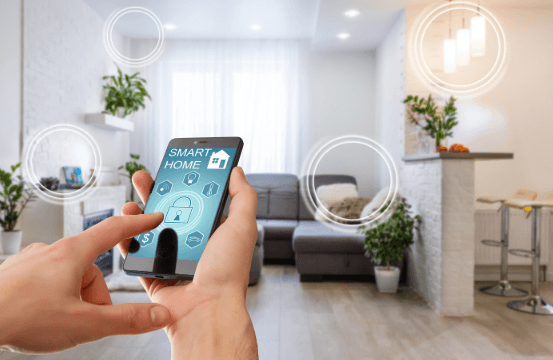
Connected homes now hinge on scalable hardware, robust connectivity, and cloud-enabled orchestration. Advances enable adaptive routing, lower latency, and greater reliability across devices. Energy harvesting and on-device processing extend lifecycles while reducing data transfer. The ecosystem prizes open standards and interoperability, yielding modular, evolvable setups. Privacy-by-design and user control temper automation with safeguards. Patterns emerge from minimal data sharing, yet the potential for autonomous, efficient homes raises questions about control and transparency. The next steps warrant closer scrutiny.
What Makes a Connected Home Possible Today
Advances in hardware, connectivity protocols, and cloud services have converged to make connected homes feasible at scale.
The environment favors adaptive networks that optimize routing, latency, and reliability, while energy harvesting supports lightweight devices and longer lifespans.
Data-driven insights reveal modular ecosystems, standardized interop, and rapid deployment cycles.
Freedom-oriented designs emphasize privacy by design and user-controlled automation, minimizing manual interventions.
How the Ecosystem Learns Your Daily Patterns
The collective data flows and adaptive algorithms that underpin connected homes enable systems to infer daily routines from routine activity, sensor signals, and usage histories. Through patterns recognition, ecosystems map habitual triggers to actions, optimizing comfort and efficiency.
This trajectory emphasizes data minimization, prioritizing essential signals and on-device processing to reduce exposure while preserving transformative, user-friendly automation, and scalable adaptability.
Balancing Convenience With Privacy and Security
The analysis shows rising privacy tradeoffs as devices collect broader signals, while data minimization practices curb unnecessary gathering.
Adoption hinges on transparent policies, verifiable safeguards, and user empowerment without stifling innovation.
Costs, Choices, and the Path to a Future-Ready Home
From the privacy- and security-focused considerations of the prior topic, households now face concrete cost and choice dynamics as connected ecosystems scale. A disciplined costs analysis reveals upfront investments, ongoing maintenance, and value from interoperability.
Device compatibility remains pivotal; ecosystems that prioritize open standards reduce friction, enabling scalable, future-ready configurations while supporting consumer autonomy and flexible, price-conscious decision-making.
See also: The Rise of Commercial Space Technology
Frequently Asked Questions
How Do Smart Homes Handle Compatibility Across Brands?
Interoperability standards enable devices to communicate across brands, while cross brand ecosystems emerge through universal protocols and certified integrations; this data-driven trend favors consumer freedom, reduces vendor lock-in, and encourages scalable, seamless automation across diverse smart-home setups.
Can Connected Devices Survive Power Outages Reliably?
Lightning flickers over a dashboard; connected devices may survive some outages but not reliably. The analysis shows power resilience varies, with off grid charging options, data privacy concerns, and vendor lock in shaping durable performance trends.
Do Smart Speakers Listen to Conversations by Default?
Yes, they listen by default to trigger phrases, but only when activated; data privacy hinges on device settings, approvals, and vendors’ policies. Do smart home ecosystems balance convenience with user control, transparency, and ongoing consent for continuous listening.
What Happens if a Vendor Stops Supporting a Product?
Approximately 60% of devices become obsolete within five years, signaling vendor support uncertainty and product lifecycle risks. The scenario prompts users to weigh updates, security patches, and replacement costs as markets shift toward sustainable, freedom-focused technology choices.
Are There Ethical Concerns With Data Sharing Between Devices?
Privacy risks and data ownership are central ethical concerns in device data sharing, as disclosures may outpace consent. The analysis notes evolving norms, transparency gaps, and the need for user autonomy to guide responsible, trend-aware decisions for freedom-seeking audiences.
Conclusion
The connected home is no longer a future ideal but a data-informed ecosystem growing from interoperable hardware and edge-driven processing. While on-device learning reduces data exposure, skeptics worry about privacy and vendor lock-in; these objections can be mitigated by open standards, transparent governance, and user-controlled automation. The trajectory is clear: modular components, scalable networks, and energy-harvesting devices will steadily shrink latency, boost reliability, and deliver adaptable, privacy-conscious homes that align with daily routines and evolving security expectations.