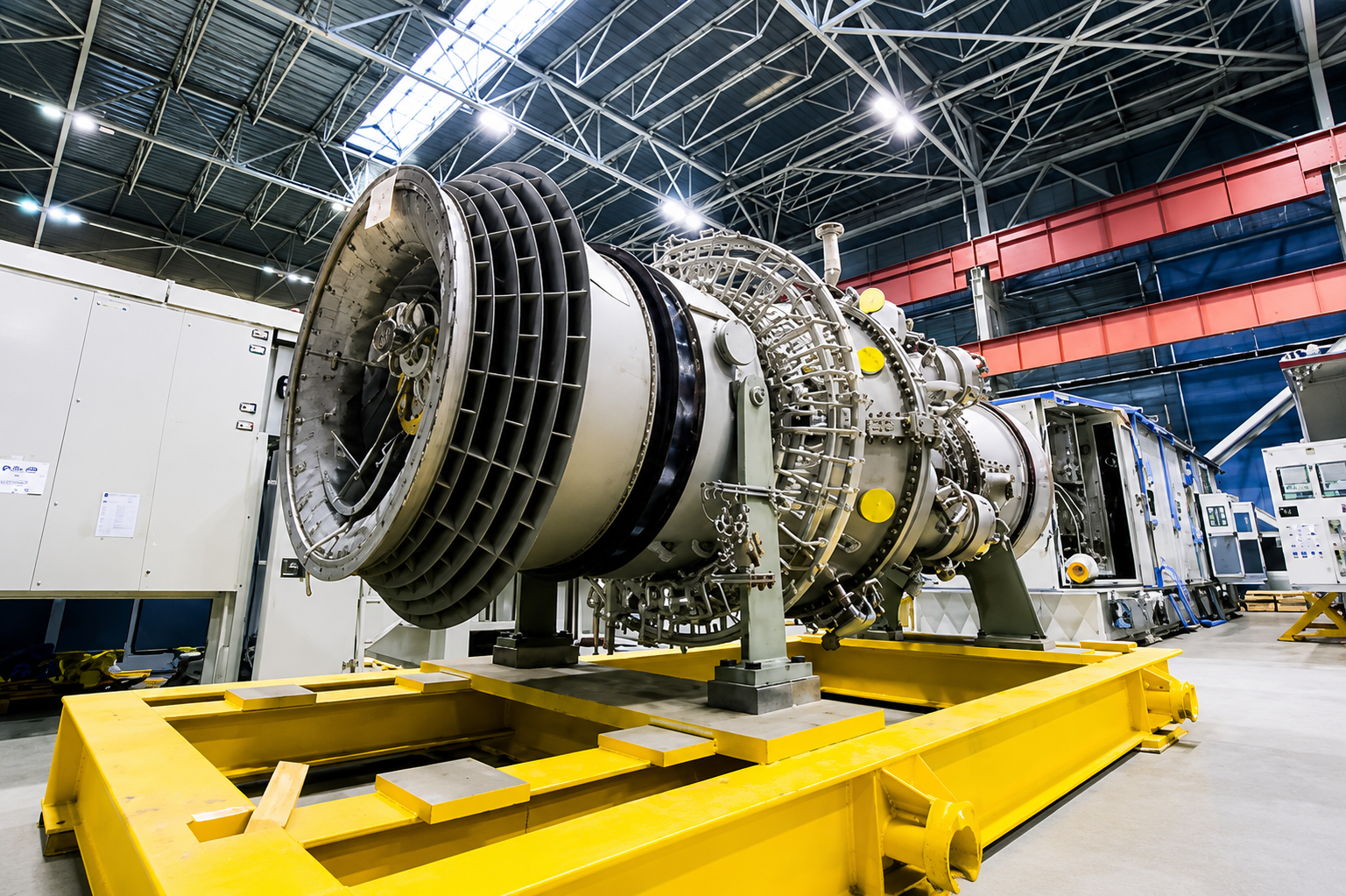
Gas and steam turbines operate under some of the most demanding industrial conditions. Constant exposure to extreme heat, oxidation, corrosion, erosion, and mechanical stress can gradually reduce component efficiency and shorten equipment lifespan. As industries continue to demand higher efficiency and lower maintenance costs, protective coating technologies have become an essential part of turbine reliability.
Turbine section coatings play a critical role in protecting vital components from harsh operating environments while improving overall system performance. By applying advanced coating solutions to key turbine parts, operators can reduce wear, extend maintenance intervals, and improve operational efficiency without replacing expensive components.
This article explores how modern turbine coatings improve reliability, the different types of protective technologies available, and why selecting the right coating strategy is essential for long-term turbine performance.
Understanding the Challenges Inside a Turbine
Modern turbines are engineered to operate at temperatures that push the limits of material science. Internal components experience several damaging conditions simultaneously, including:
- Continuous exposure to extremely high temperatures
- Oxidation caused by hot gases
- Corrosive chemical reactions
- Particle erosion
- Thermal cycling during start-up and shutdown
- Mechanical fatigue under high rotational speeds
Even high-grade superalloys eventually experience material degradation without additional surface protection. This makes advanced coating systems an integral part of turbine maintenance strategies.
See also: Understanding Car Aircon Parts: What Every Driver Should Know
Why Protective Coatings Matter
Protective coatings create a durable barrier between the turbine component and the harsh operating environment. Rather than replacing expensive parts after damage occurs, coatings help preserve the original material for much longer.
Some major benefits include:
- Longer component service life
- Improved resistance to oxidation
- Better corrosion protection
- Reduced maintenance costs
- Increased operational reliability
- Higher thermal efficiency
- Lower unplanned downtime
For power generation facilities, industrial plants, and aviation applications, these advantages translate into significant operational savings over the lifetime of the equipment.
Components That Commonly Receive Protective Coatings
Many turbine components benefit from specialised coating technologies.
Turbine Buckets and Blades
Buckets and blades experience direct exposure to high-velocity combustion gases. Protective coatings reduce erosion while maintaining aerodynamic performance.
Rotors
Rotors require surface protection against moisture, corrosion, and operational fatigue. Applying rotors corrosion coating helps minimise long-term surface degradation and improves equipment durability.
Combustion Components
Combustion chambers, transition pieces, and liners are exposed to continuous thermal loading. A specialised combustion systems coating helps protect these components from heat damage while maintaining structural integrity.
Nozzles and Vanes
Stationary vanes experience constant exposure to hot gases and benefit from thermal barrier coatings that minimise heat transfer into the base material.
Types of Turbine Coating Technologies
Different operating environments require different coating solutions. Engineers select coatings based on temperature, fuel type, operating hours, and environmental conditions.
Thermal Barrier Coatings
Thermal barrier coatings reduce the amount of heat transferred into metal components.
These ceramic-based coatings allow turbines to operate at higher combustion temperatures while keeping the underlying metal cooler. This improves efficiency without compromising component life.
Oxidation Resistant Coatings
High-temperature oxidation gradually weakens metal surfaces.
Advanced high temperature oxidation and corrosion coatings create a protective layer that slows oxidation while resisting aggressive chemical attack.
These coatings are particularly valuable in industrial gas turbines operating continuously for long service intervals.
Diffusion Coatings
Diffusion coatings chemically bond with the base material, providing excellent adhesion and long-term protection.
They are commonly used for blades, vanes, and other critical hot-section components.
Overlay Coatings
Overlay coatings consist of specially engineered metallic alloys that offer superior resistance to corrosion and oxidation under demanding operating conditions.
Improving Turbine Efficiency Through Surface Protection
Coatings do more than simply prevent damage.
A well-designed protective layer helps maintain smoother component surfaces, reducing aerodynamic losses caused by erosion or material degradation.
Maintaining original blade profiles improves:
- Airflow efficiency
- Combustion stability
- Fuel efficiency
- Power output consistency
Over time, these improvements contribute to lower operating costs and better overall plant performance.
The Importance of Coating Quality
Not all coating applications provide the same level of protection.
Several factors determine coating effectiveness:
Surface Preparation
Proper cleaning and preparation ensure maximum coating adhesion.
Controlled Application
Processes such as thermal spraying, physical vapour deposition, and diffusion treatments require precise control to achieve consistent coating thickness.
Inspection and Testing
Quality inspections verify:
- Coating thickness
- Bond strength
- Surface finish
- Crack resistance
- Porosity levels
Comprehensive testing ensures coatings perform as expected under real operating conditions.
Protecting Turbine Buckets from Mechanical Damage
Turbine buckets operate under enormous centrifugal forces while facing continuous particle impact.
Over time, small impacts can produce surface damage that accelerates wear.
Specialised bucket anti rock coatings help protect these critical rotating components against foreign object damage, reducing maintenance requirements and improving long-term reliability.
These coatings are particularly useful in environments where airborne debris or particulate contamination is unavoidable.
Advanced Coating Solutions for Extreme Environments
Industrial operating conditions continue to become more demanding as manufacturers seek higher efficiency and lower emissions.
New coating technologies are being developed to withstand:
- Higher combustion temperatures
- Longer maintenance intervals
- Alternative fuel sources
- Increased operational cycling
One example includes hdtbc coatings, which are designed to deliver improved thermal protection while supporting advanced turbine operating conditions.
As coating technologies continue to evolve, they enable turbines to achieve greater performance without compromising component durability.
Maintenance Considerations
Even the best coatings require periodic inspection.
A proactive maintenance programme should include:
- Routine visual inspections
- Surface condition monitoring
- Thickness measurements
- Non-destructive testing
- Scheduled refurbishment
Rather than waiting for coating failure, predictive maintenance allows operators to repair damaged areas before significant component degradation occurs.
Choosing the Right Coating Strategy
Selecting the appropriate coating depends on multiple operational factors.
Engineers typically evaluate:
- Operating temperature
- Fuel composition
- Environmental contaminants
- Component material
- Expected service interval
- Maintenance schedule
- Cost of downtime
A customised coating strategy ensures every turbine component receives protection suited to its operating environment.
Future Trends in Turbine Coating Technology
Research continues to improve coating performance across the power generation industry.
Emerging developments include:
- More durable ceramic thermal barriers
- Improved oxidation resistance
- Advanced nano-structured coatings
- Environmentally friendly coating processes
- Digital inspection technologies
- AI-assisted coating condition monitoring
These innovations will continue extending turbine service life while supporting higher efficiency and lower maintenance costs.
Conclusion
Modern turbines operate in environments that demand exceptional durability and performance. Without effective surface protection, valuable components become vulnerable to heat, oxidation, corrosion, and mechanical wear. Turbine section coatings provide an effective solution by enhancing component longevity, improving operational efficiency, and reducing costly maintenance. As coating technologies continue to advance, they remain a vital investment for industries seeking reliable turbine performance, greater efficiency, and extended equipment life. By implementing the right coating strategy and maintaining a proactive inspection programme, operators can maximise the value and reliability of their turbine assets for years to come.