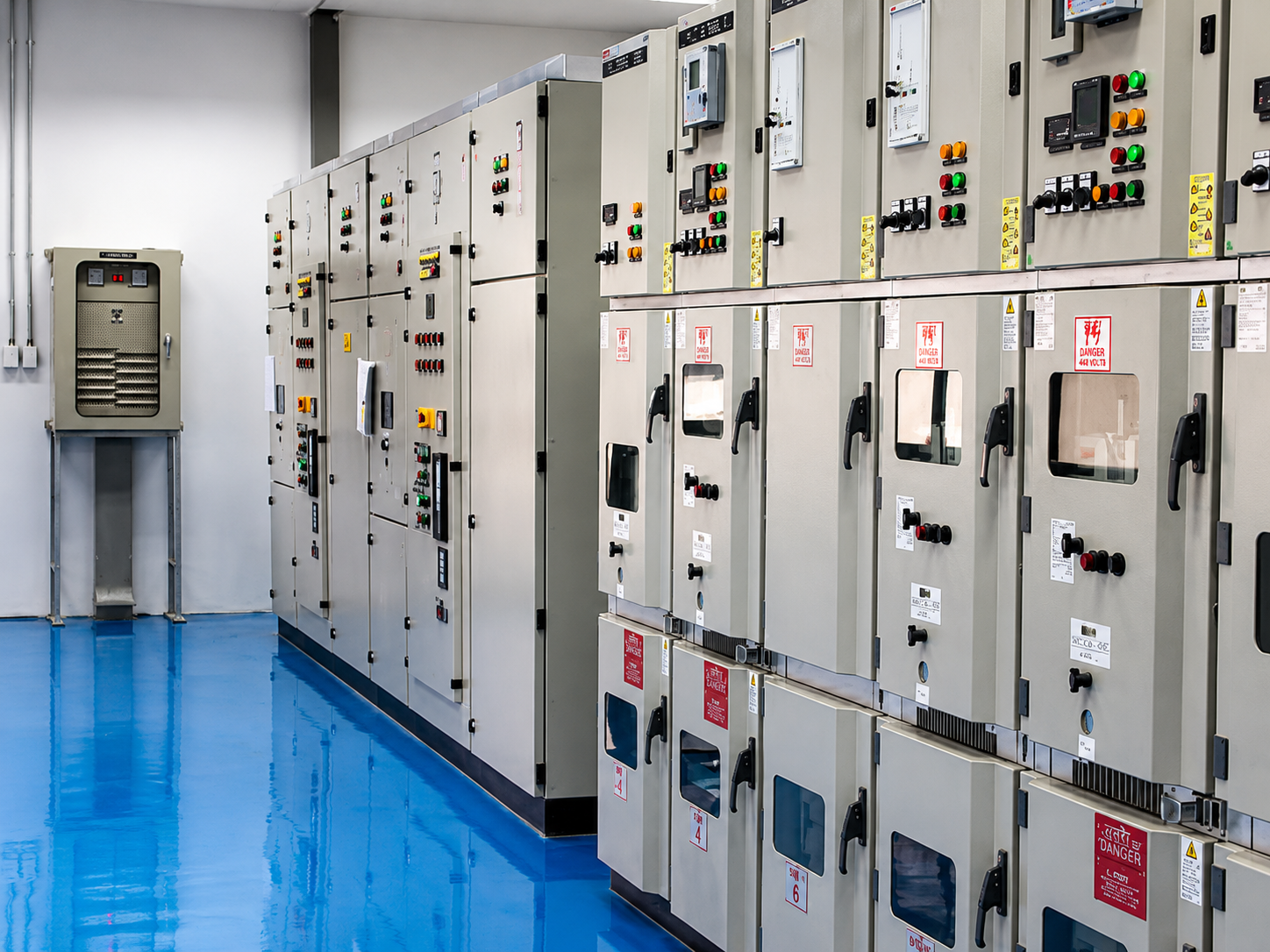
Modern electrical infrastructure depends on equipment that delivers safe, reliable, and uninterrupted power. Whether in manufacturing plants, commercial buildings, utility substations, or renewable energy facilities, efficient power distribution is essential for maintaining operations and protecting valuable assets. One of the most critical components in these electrical networks is medium voltage switchgear, which plays a central role in controlling, protecting, and isolating electrical equipment.
As industries continue to modernize and energy demands increase, selecting the right switchgear solution has become more important than ever. This guide explains how medium voltage systems work, their key components, major benefits, applications, and best practices for long-term performance.
What Is Medium Voltage Switchgear?
Electrical power systems are generally divided into low, medium, and high voltage categories. Medium voltage equipment typically operates between 1 kV and 36 kV, making it suitable for industrial facilities, commercial campuses, utility distribution systems, and renewable energy projects.
Medium voltage switchgear is designed to control electrical circuits while providing protection against faults such as overloads, short circuits, and equipment failures. It safely disconnects faulty sections of the network, minimizing downtime and reducing the risk of damage to connected equipment.
By integrating advanced protection devices, monitoring systems, and circuit breakers, switchgear ensures that electrical networks remain stable even under demanding operating conditions.
See also: Understanding Car Aircon Parts: What Every Driver Should Know
Main Components of a Medium Voltage Switchgear System
A switchgear assembly consists of several integrated components that work together to maintain electrical safety and operational reliability.
Circuit Breakers
Circuit breakers interrupt fault currents automatically whenever abnormal electrical conditions occur. They protect transformers, motors, cables, and generators from severe damage.
Protective Relays
Protective relays continuously monitor current, voltage, frequency, and other electrical parameters. When they detect an abnormal condition, they signal the circuit breaker to disconnect the affected circuit.
Busbars
Busbars distribute electrical power efficiently between incoming and outgoing circuits while minimizing energy losses.
Disconnect Switches
Disconnect switches isolate equipment for maintenance, allowing technicians to perform inspections and repairs safely.
Instrument Transformers
Current transformers (CTs) and voltage transformers (VTs) provide accurate measurements for protection, monitoring, and metering purposes.
Why Switchgear Is Essential in Modern Power Systems
Reliable power distribution requires more than simply delivering electricity from one point to another. Electrical systems must also respond quickly to unexpected faults while protecting both personnel and expensive infrastructure.
Switchgear offers several important advantages:
- Improved operational safety
- Reduced equipment damage during faults
- Faster fault isolation
- Enhanced system reliability
- Easier maintenance procedures
- Greater flexibility during network expansion
- Better monitoring and automation capabilities
These benefits make switchgear an indispensable part of virtually every medium-voltage electrical installation.
Different Types of Medium Voltage Switchgear
Several switchgear technologies are available depending on application requirements, environmental conditions, and operational priorities.
Air Insulated Switchgear (AIS)
Air insulated systems use atmospheric air as the primary insulating medium. They are widely used due to their simple construction, ease of maintenance, and relatively lower installation costs.
Gas Insulated Designs
Compact installations often utilize gas insulated switchgear, where insulating gas provides excellent dielectric strength while significantly reducing equipment size. These systems are especially useful in locations with limited installation space.
Another commonly referenced configuration is gas insulated switch gear, which offers similar operational advantages while supporting highly reliable performance in demanding industrial environments.
Vacuum Switchgear
Vacuum interrupters are widely used because they require minimal maintenance and provide long service life with excellent arc interruption capability.
Applications Across Multiple Industries
Medium voltage switchgear supports a wide variety of industries that rely on continuous electrical availability.
Manufacturing Facilities
Industrial production lines require uninterrupted power for motors, automation systems, and processing equipment. Switchgear minimizes production losses by isolating electrical faults quickly.
Utility Substations
Power distribution utilities use switchgear to manage electrical loads while protecting transmission and distribution equipment.
Commercial Buildings
Large office complexes, hospitals, airports, and shopping centers rely on switchgear for dependable electrical distribution and emergency backup systems.
Renewable Energy Projects
Solar farms and wind power installations depend on switchgear to integrate renewable generation safely into utility grids.
Data Centers
Mission-critical facilities require continuous uptime. Switchgear helps maintain system reliability while supporting redundant power configurations.
Understanding Metal Enclosed Designs
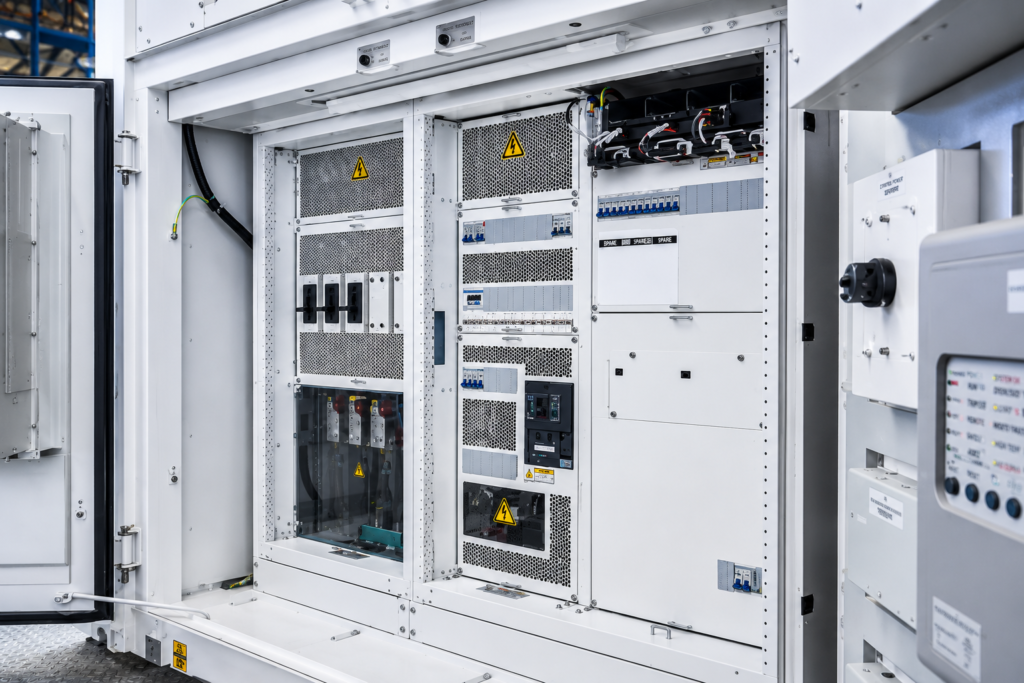
Many industrial facilities prefer metal enclosed switchgear because of its enhanced safety features and durable construction.
Metal-enclosed assemblies isolate energized components inside grounded steel compartments, reducing the possibility of accidental contact during operation. Their modular design also simplifies maintenance and future system upgrades.
These systems are commonly found in:
- Industrial manufacturing plants
- Mining operations
- Utility substations
- Petrochemical facilities
- Water treatment plants
The enclosed design also improves environmental protection against dust, moisture, and contaminants.
Importance of Proper Maintenance
Even the most advanced electrical equipment requires regular servicing to maintain peak performance. Effective switchgear maintenance helps identify potential issues before they become costly failures.
Routine maintenance activities include:
- Visual inspections
- Cleaning insulation surfaces
- Testing protective relays
- Inspecting circuit breakers
- Thermal imaging inspections
- Torque verification
- Lubrication of moving components
- Functional testing of protection systems
Preventive maintenance significantly extends equipment life while improving system reliability and workplace safety.
Selecting the Right Switchgear Solution
Choosing the appropriate switchgear depends on several technical and operational considerations.
Voltage Rating
Ensure the equipment matches the system’s operating voltage and anticipated future expansion.
Fault Current Capacity
The switchgear must safely interrupt the maximum available fault current.
Installation Environment
Indoor and outdoor installations have different environmental requirements, including humidity, dust, temperature, and corrosion resistance.
Available Space
Compact installations may benefit from gas-insulated technologies, while larger facilities often have sufficient space for air-insulated systems.
Automation Requirements
Modern digital monitoring systems provide real-time diagnostics, predictive maintenance capabilities, and remote operational control.
Maintenance Accessibility
Selecting equipment with easy access to critical components can reduce maintenance time and operational downtime.
The Role of Switch Gear Systems in Smart Grids
As electrical infrastructure becomes increasingly digital, switch gear systems are evolving alongside smart grid technologies.
Today’s intelligent switchgear can communicate with supervisory control systems, enabling operators to monitor equipment health remotely, identify developing faults, and optimize energy distribution.
Smart features may include:
- Remote monitoring
- Automated fault detection
- Predictive diagnostics
- Digital protection relays
- Energy management integration
- Remote switching capabilities
These technologies improve operational efficiency while reducing maintenance costs and unexpected outages.
Future Trends in Medium Voltage Technology
Electrical distribution continues to advance through innovation and digital transformation. Several emerging trends are shaping the future of medium voltage systems.
Digital Monitoring
Integrated sensors continuously monitor temperature, insulation condition, humidity, and partial discharge activity.
Predictive Maintenance
Artificial intelligence helps identify developing equipment issues before failures occur.
Sustainable Equipment
Manufacturers continue developing environmentally friendly insulation technologies that reduce greenhouse gas emissions.
Increased Automation
Smart substations increasingly rely on automated switching operations to improve reliability and restore service more quickly after faults.
Modular Design
Modular equipment allows facilities to expand electrical systems with minimal disruption to existing operations.
Conclusion
Reliable electrical distribution is essential for virtually every modern industry. From manufacturing facilities and commercial buildings to renewable energy projects and utility substations, properly designed switchgear protects equipment, improves operational safety, and minimizes costly downtime.
Understanding system components, selecting the right technology, following preventive maintenance practices, and embracing digital innovations all contribute to stronger, more resilient electrical infrastructure. Investing in high-quality switchgear solutions ensures long-term performance, operational efficiency, and dependable power delivery for years to come.